Landscape Design: A Complete Guide for Homeowners
What Is Landscape Design?
Landscape design is the process of planning and shaping the outdoor spaces around your home—front yard, backyard, side yards, and sometimes even driveways and entryways. It combines both art and function: choosing plants, materials, and layouts that look good while also solving practical problems like drainage, privacy, erosion, or lack of usable outdoor space.
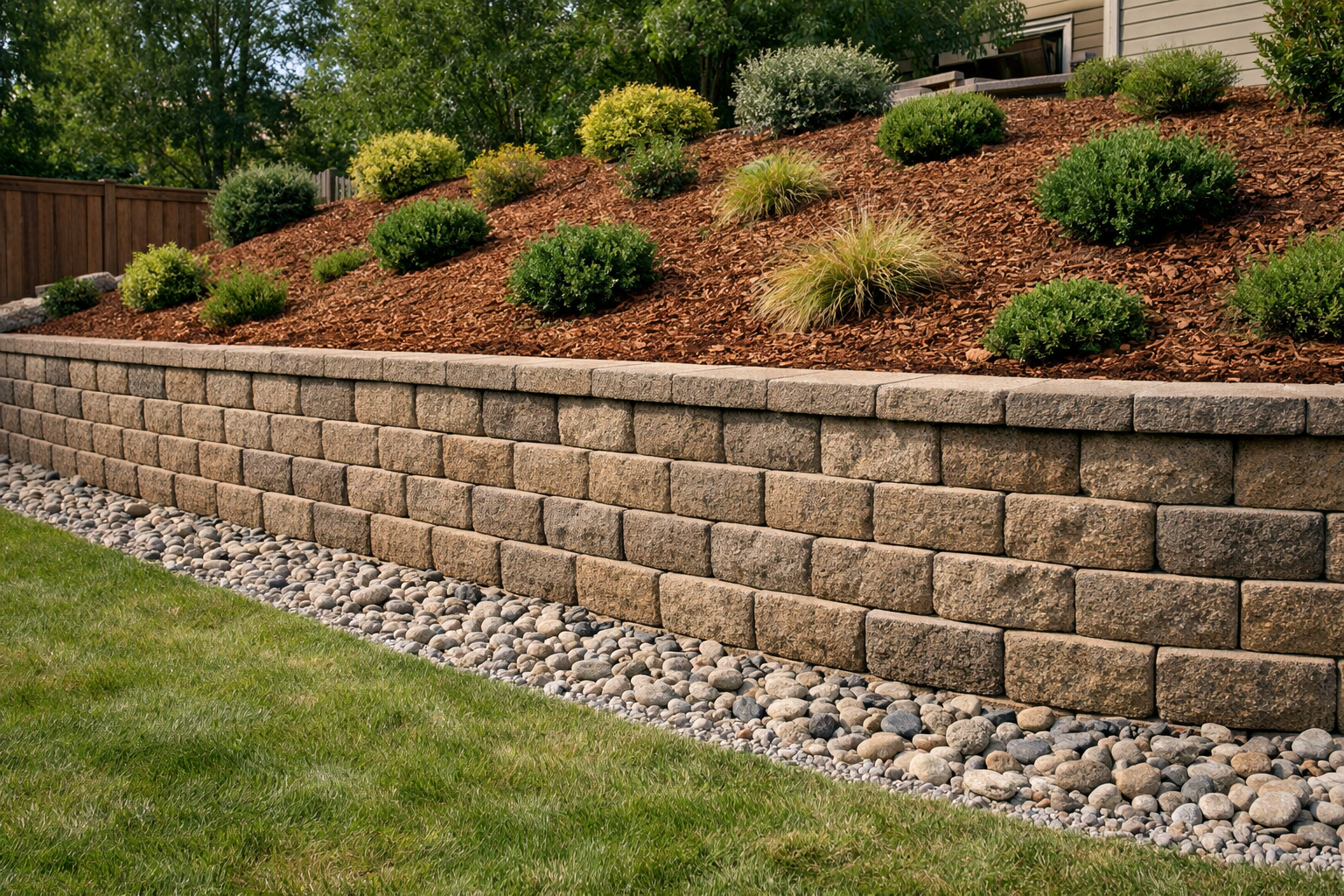
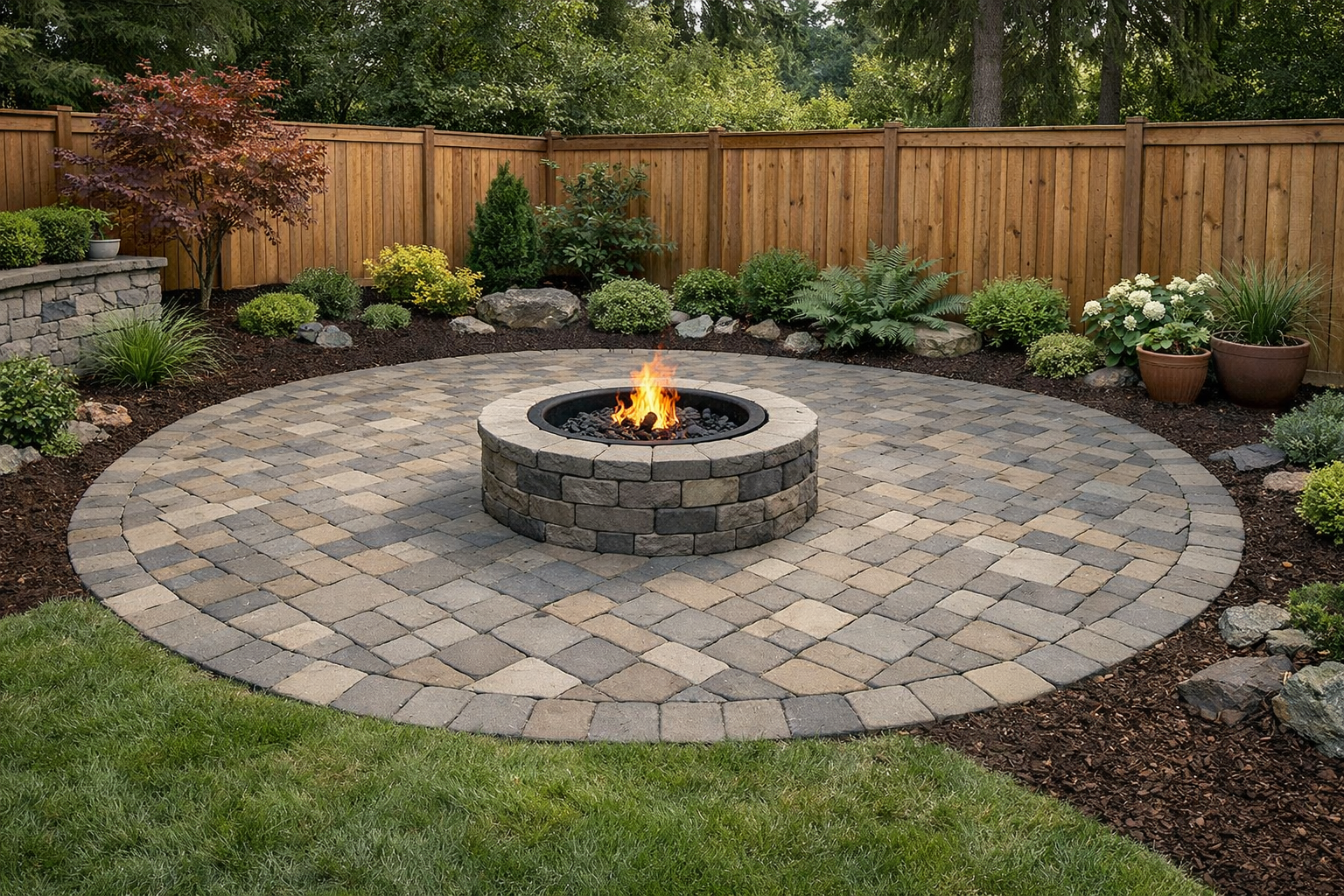
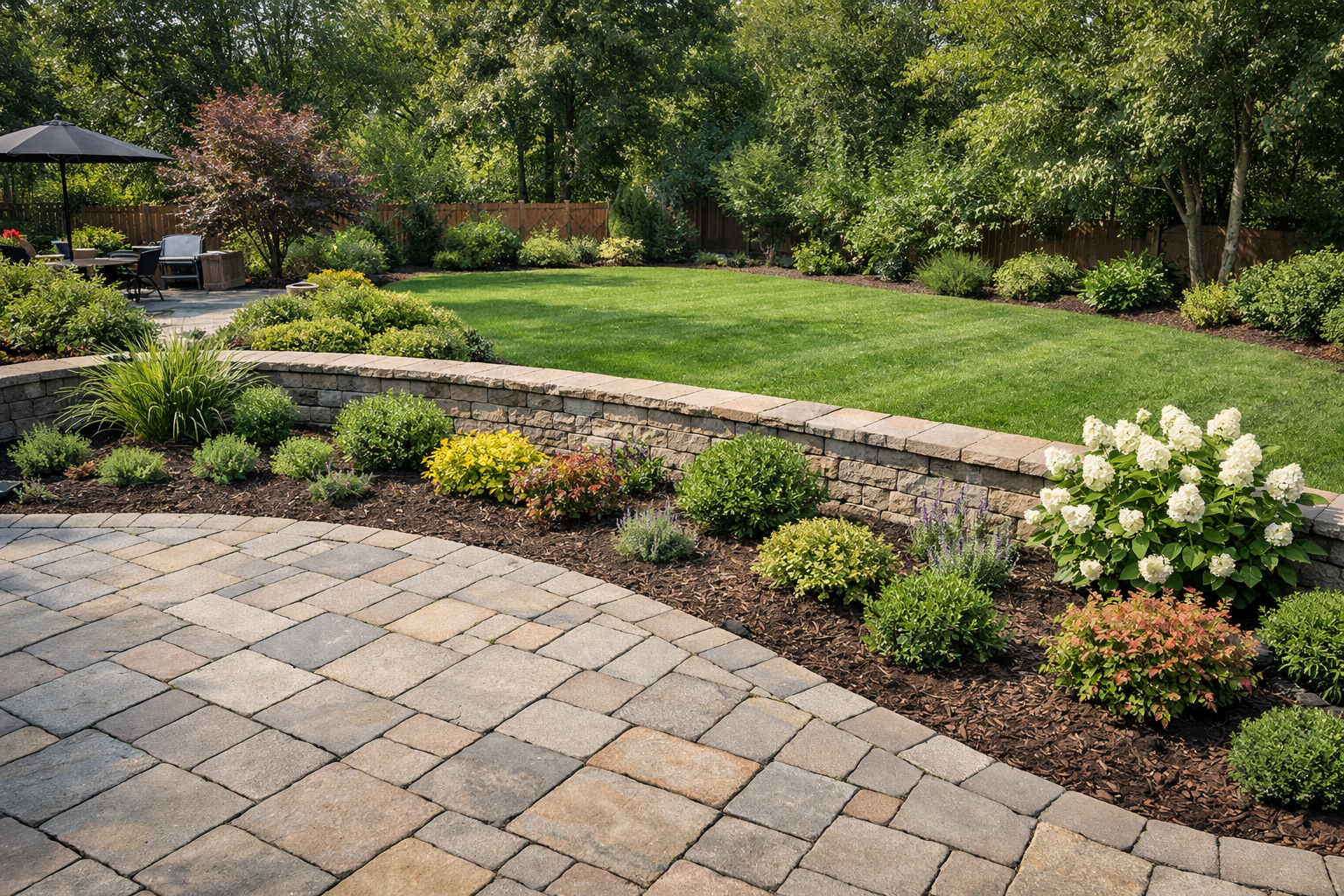
This differs from basic lawn care or landscape maintenance. Landscape design is a "design and build" service, meaning a professional creates a plan for your property and then installs it, which may include planting beds, trees, patios, walkways, retaining walls, lighting, irrigation, and other hardscape or softscape elements.
What's Involved in a Landscape Design Project
Every project is different, but most landscape design work follows a similar process from start to finish.
1. Initial Consultation and Site Assessment
A landscaper or designer visits your property to evaluate soil conditions, sun exposure, drainage patterns, existing plants, and how you currently use (or want to use) your outdoor space. This is also when you share your budget, style preferences, and goals—whether that's more privacy, a play area for kids, an outdoor kitchen, or simply better curb appeal.
2. Design Plan
Based on the consultation, the designer creates a layout. This might be a simple sketch for smaller projects or a detailed plan with plant lists, material selections, and 3D renderings for larger ones. Some designers charge separately for this step, especially for complex projects.
3. Material and Plant Selection
Plants, trees, mulch, stone, pavers, and other materials are chosen based on your climate zone, soil type, maintenance preferences, and budget. A good designer will factor in how plants mature over time, not just how the yard looks on installation day.
4. Installation
This is the build phase—grading, planting, hardscaping (patios, walkways, walls), installing irrigation or lighting, and any other construction work outlined in the plan. Larger projects may be done in phases.
5. Follow-Up Care
Many landscapers offer a follow-up visit or initial maintenance period to make sure new plants establish properly, especially in the first few months after installation.
Typical Cost Ranges
Costs vary widely depending on your region, yard size, materials chosen, and project scope. These are general U.S. ranges to help you set expectations—always get a quote for your specific property.
- Basic design consultation: roughly $200–$1,000, depending on property size and whether a formal plan is included.
- Small-scale landscaping (planting beds, basic layout changes): often $1,500–$5,000.
- Mid-size projects (new plantings, walkways, modest hardscaping): commonly $5,000–$20,000.
- Full yard renovations (patios, retaining walls, extensive planting, lighting, irrigation): can range from $20,000–$75,000 or more.
Labor, material quality, site accessibility, and local market rates all affect final pricing. A small urban lot and a large suburban property with grading challenges will not cost the same, even for similar design styles.
How Long Does Landscape Design Take?
Timelines depend on project size and complexity:
- Design phase: typically 1–4 weeks for planning, plant selection, and revisions.
- Small installations: a few days to one week.
- Mid-size projects: 2–6 weeks.
- Large or multi-phase renovations: several months, especially if hardscaping, structural work, or permits are involved.
Weather, material availability, and permitting requirements (common for retaining walls, drainage work, or major grading) can also extend timelines. It's wise to build in some flexibility, particularly for projects started in peak spring or fall seasons when landscapers are busiest.
How to Hire the Right Landscaper
Finding a landscaper who fits your project and budget takes a little research, but it pays off in the long run.
Check Licensing and Insurance
Confirm the landscaper carries liability insurance and, if your state requires it, proper licensing for landscape construction. This protects you if something goes wrong during the project.
Review Past Work
Ask for photos of completed projects, ideally ones similar in scope to yours. This gives you a realistic sense of their style and quality of work.
Get Multiple Quotes
Pricing can vary significantly between companies for the same scope of work. Getting at least three quotes helps you understand fair market pricing in your area and compare what's included—design fees, materials, warranties, and maintenance.
Ask About the Design Process
Some companies offer free basic consultations, while others charge for detailed design plans. Clarify this upfront, along with how many revisions are included before installation begins.
Confirm Timeline and Payment Schedule
A clear, written contract should outline the project timeline, payment schedule (often a deposit plus progress payments), and what happens if delays occur due to weather or material shortages.
If you're ready to start, you can find landscape design landscapers near you to request quotes and compare portfolios before committing to a project.
It's also worth taking time to compare local landscapers across different specialties, since some companies focus more on hardscaping while others specialize in planting design or full-service builds.
FAQ
Do I need a professional designer, or can I design my own landscape?
Many homeowners handle small projects themselves, especially simple planting beds or container gardens. However, for projects involving grading, drainage, hardscaping, or significant plant investment, a professional designer helps avoid costly mistakes and ensures the layout works with your site's conditions.
What's the difference between landscape design and landscape architecture?
Landscape designers typically focus on residential planting plans and smaller-scale layouts. Landscape architects are licensed professionals trained in more technical site work, including grading, drainage engineering, and large or complex commercial projects. Most homeowner projects only require a landscape designer or design-build contractor.
How much should I budget for ongoing maintenance after installation?
This depends on the complexity of your landscape, but ongoing maintenance (mowing, pruning, seasonal cleanup, irrigation checks) is a separate cost from design and installation. Ask your landscaper for a maintenance estimate as part of your initial quote so there are no surprises later.
Can landscape design increase my home's value?
Well-planned landscaping is generally considered a worthwhile investment for curb appeal and usability of outdoor space. However, exact return on investment varies by market, project scope, and how well the design is executed and maintained over time.
Ready to move forward? Request free quotes from local landscapers on CGMIMM to compare pricing, timelines, and design styles for your project.