How Much Does Hardscaping & Patios Cost?
What Counts as Hardscaping?
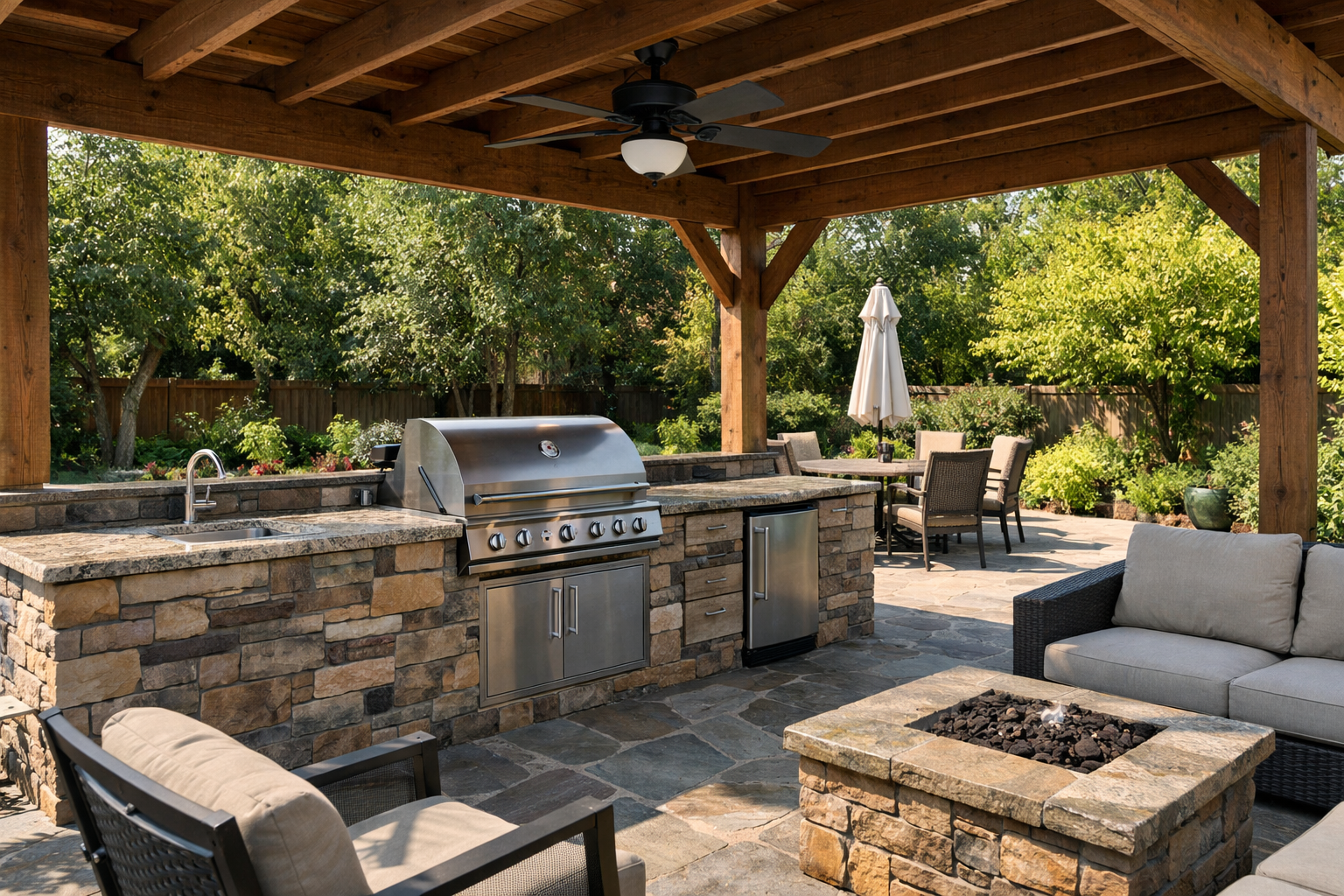
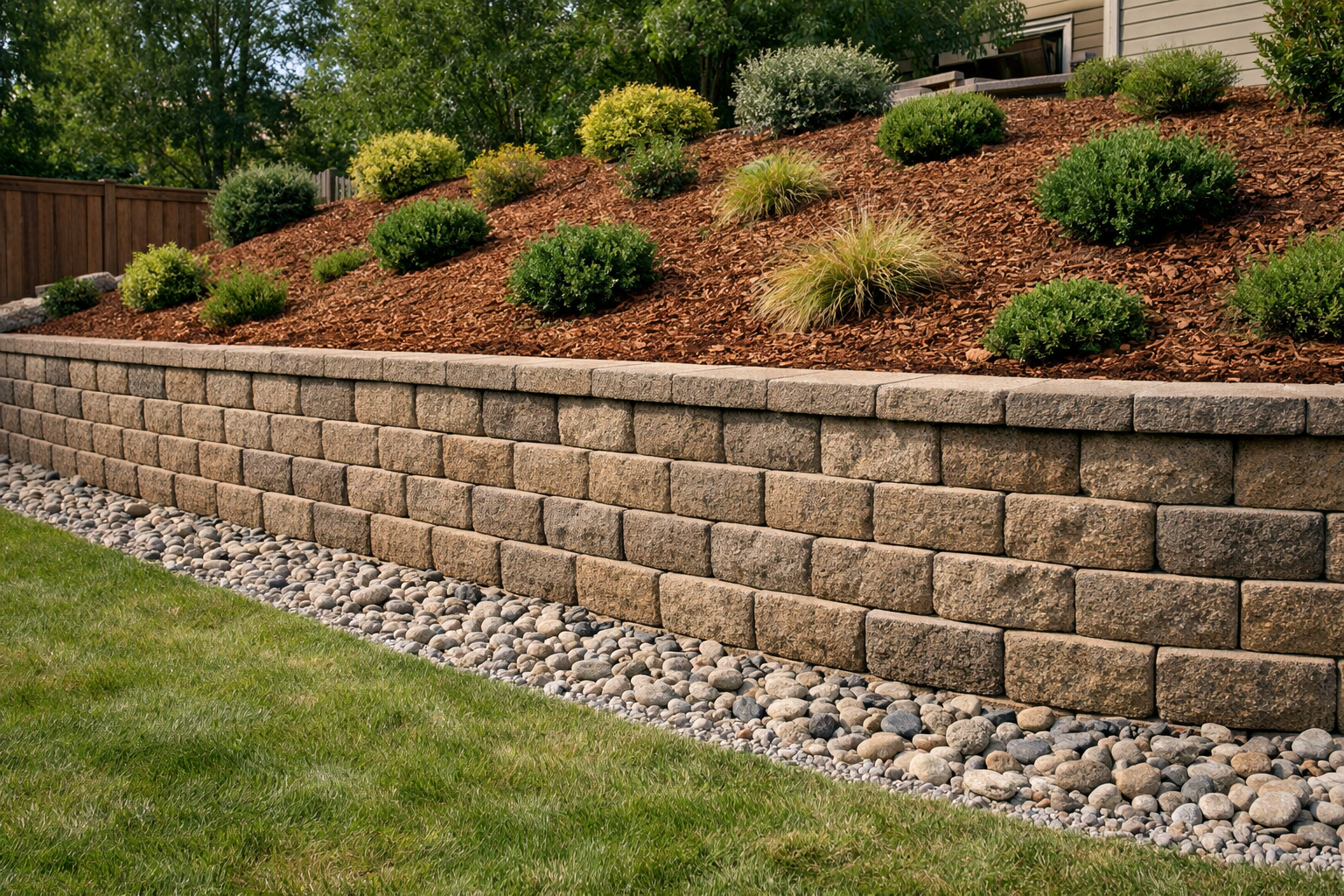
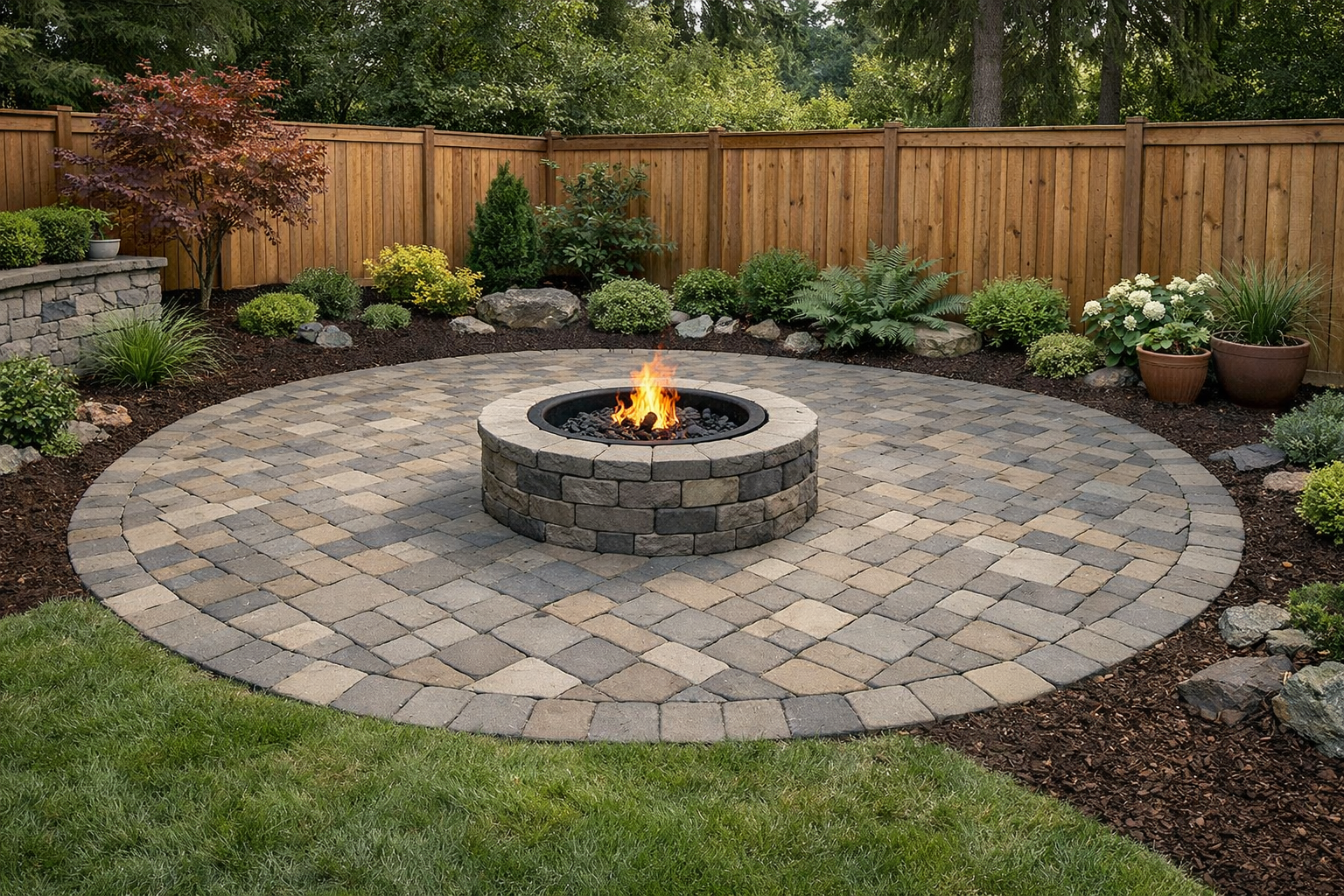
Hardscaping covers the "hard" elements of a landscape design: patios, walkways, retaining walls, outdoor kitchens, fire pits, driveways, and similar features built from materials like pavers, concrete, natural stone, brick, or gravel. Unlike planting beds or sod, hardscaping is a construction project, which is why it tends to carry a bigger price tag than other landscaping work.
Because every yard is different, costs vary widely from one home to the next. This guide walks through what typically drives the price, gives general US cost ranges, and explains what a fair, detailed quote should include.
What Drives the Price of a Patio or Hardscape Project
Several factors combine to determine your final cost. Understanding them helps you see why two seemingly similar patios can have very different price tags.
- Material choice: Poured concrete is usually the most budget-friendly option, pavers fall in the middle, and natural stone (flagstone, bluestone, travertine) tends to be the most expensive.
- Size and shape: Larger patios cost more overall, but complex shapes, curves, and intricate patterns also raise labor costs even on smaller footprints.
- Site preparation: Excavation, grading, removing an old surface, or dealing with poor drainage or tree roots can add significant labor and disposal costs before any materials go down.
- Base and drainage work: A proper gravel base, compaction, and drainage solutions are essential for longevity, especially in areas with freeze-thaw cycles or heavy rain.
- Access to the work area: If equipment and materials have to be carried in by hand because of fences, tight side yards, or steep slopes, labor time and cost increase.
- Slope and soil conditions: Sloped yards may need retaining walls, extra excavation, or engineered drainage, all of which add to the budget.
- Add-ons: Built-in seating, fire pits, outdoor kitchens, lighting, pergolas, and water features can significantly raise the total project cost.
- Labor rates and region: Local labor costs, permit requirements, and material availability vary by region and city, so the same project can cost more in some areas than others.
Typical Cost Ranges
These figures are general US ranges meant to give you a starting point for budgeting. Your actual cost will depend on your location, yard conditions, and material choices, so treat them as a guide rather than a guarantee.
Cost by Project Size (Rough Totals)
- Low end: Roughly $2,500–$5,000 for a small, simple patio using basic concrete or gravel, minimal site prep, and no add-ons.
- Average: Roughly $6,000–$15,000 for a mid-sized paver or stamped concrete patio with standard site prep, some design detail, and basic drainage work.
- High end: $20,000–$40,000+ for larger patios with natural stone, retaining walls, built-in features like fire pits or outdoor kitchens, extensive grading, or lighting and water features.
Cost by Material (Per Square Foot, Installed)
- Poured or stamped concrete: Generally the most affordable option, with stamped or colored finishes costing more than plain concrete.
- Pavers (concrete or brick): Mid-range pricing, with more cost for intricate patterns, borders, or premium paver lines.
- Natural stone (flagstone, bluestone, travertine): The highest per-square-foot cost due to material price and skilled labor for cutting and fitting.
- Gravel or loose fill: The least expensive surface option, often used for informal patios or pathways, though it requires edging and periodic maintenance.
Retaining walls, outdoor kitchens, and fire features are typically priced separately and can add anywhere from a few thousand dollars to tens of thousands depending on size and materials.
Ways to Save Without Cutting Corners
A hardscape project is a long-term investment, so it's worth balancing savings with durability. Here are some practical ways to manage the budget:
- Start smaller: Build the core patio now and plan for add-ons like a fire pit or seating wall in a future phase.
- Choose a mid-range material: Concrete pavers can mimic the look of natural stone at a lower cost.
- Simplify the shape: Rectangular or square layouts cost less to install than curved or multi-level designs.
- Handle demo yourself: If you're able to safely remove an old deck, patio, or plantings beforehand, you may reduce labor costs — just confirm with your contractor first.
- Get multiple quotes: Pricing can vary significantly between contractors for the same scope of work, so comparing estimates helps you find a fair market rate.
- Time it right: Some landscapers offer better pricing or availability in the off-season, depending on your climate.
If you're ready to start comparing options, you can find hardscaping & patios landscapers near you and request quotes based on your specific yard and goals.
What a Fair Quote Should Include
A trustworthy, detailed quote protects you from surprise costs later. Look for these elements in any proposal:
- Itemized materials: Specific product names, brands, or stone types rather than vague descriptions.
- Site preparation details: Excavation depth, base material, and compaction method.
- Drainage plan: How water will be directed away from your home and the patio surface.
- Labor and timeline: Estimated start and completion dates, along with crew size if relevant.
- Permits: Whether permits are required in your area and who is responsible for pulling them.
- Warranty information: What's covered for workmanship versus materials, and for how long.
- Payment schedule: A clear breakdown of deposit, progress payments, and final payment terms.
Avoid quotes that only list a single lump-sum number with no breakdown — it makes it hard to know what you're actually paying for or to compare bids fairly.
FAQ
How long does a typical patio installation take?
Smaller, straightforward patios can often be completed in a few days, while larger projects with extensive site prep, retaining walls, or custom features may take one to several weeks depending on complexity and weather.
Do I need a permit for a patio or hardscape project?
It depends on your city or county and the scope of the project. Simple at-grade patios often don't require permits, but retaining walls above a certain height, structures with electrical or gas lines, or work near property lines frequently do. Your contractor should be able to confirm local requirements.
Is it cheaper to use concrete or pavers?
Plain poured concrete is generally the most affordable option, while pavers cost more upfront but can be easier to repair since individual units can be replaced without redoing the whole surface. The best choice depends on your budget, style preference, and how long you plan to stay in the home.
Can I install a patio myself to save money?
Small, simple patios are sometimes DIY-friendly, but proper excavation, base preparation, and drainage are critical to prevent shifting, cracking, or water pooling over time. For larger or more complex projects, professional installation helps ensure the work holds up long-term.
Costs can vary a lot depending on your yard, materials, and local labor rates, so the best way to get an accurate number is to request a few estimates. You can compare local landscapers on CGMIMM and request free quotes to find the right fit for your project and budget.