How Much Does Landscape Remodeling Cost?
A landscape remodel can transform a tired, outdated yard into a space that fits how you actually live. But before you start tearing out old shrubs or sketching a new patio layout, it helps to understand what the project might cost. Landscape remodeling prices vary widely depending on the scope of work, your region, and the materials you choose, so this guide breaks down what to expect and how to plan a realistic budget.
What Drives the Cost of Landscape Remodeling
Unlike a simple mow-and-trim service, landscape remodeling usually involves design work plus physical construction. That combination of planning and labor is what makes pricing vary so much from one yard to the next. Here are the main factors that influence your final cost.
Size and Scope of the Project
A small backyard refresh with new plantings and mulch costs far less than a full front-and-back overhaul involving hardscaping, grading, and irrigation. The more square footage involved, and the more elements you're changing, the higher the price climbs.
Design Complexity
Simple layouts with straight lines and common plants are more affordable to install than curved walkways, multi-level terraces, or custom water features. Complex designs require more skilled labor and often more expensive materials.
Materials Selected
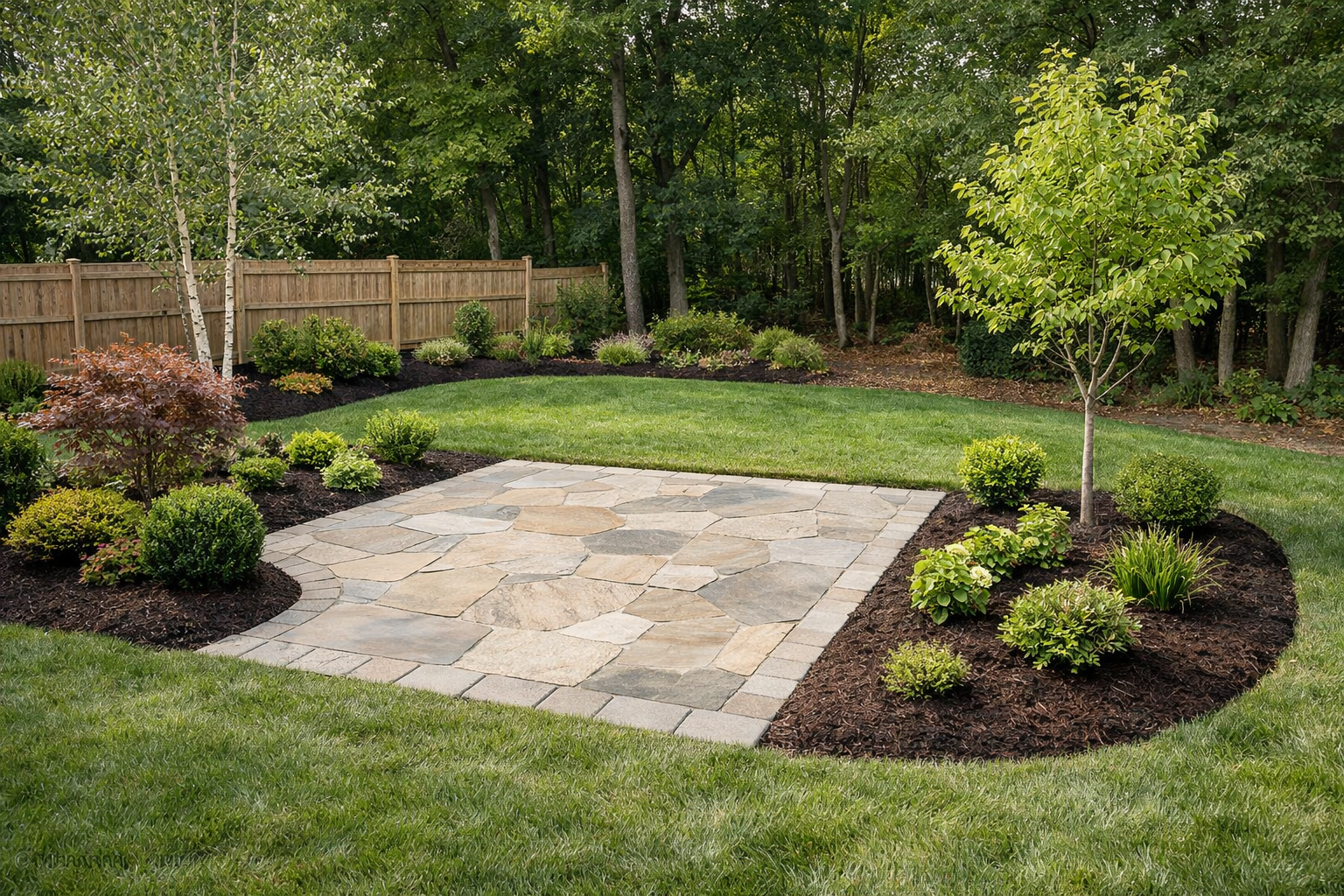
Natural stone, pavers, and high-end decking cost significantly more than poured concrete, gravel, or basic wood. Plant choices matter too — mature trees and specimen plants cost more than young shrubs and groundcover.
Site Conditions
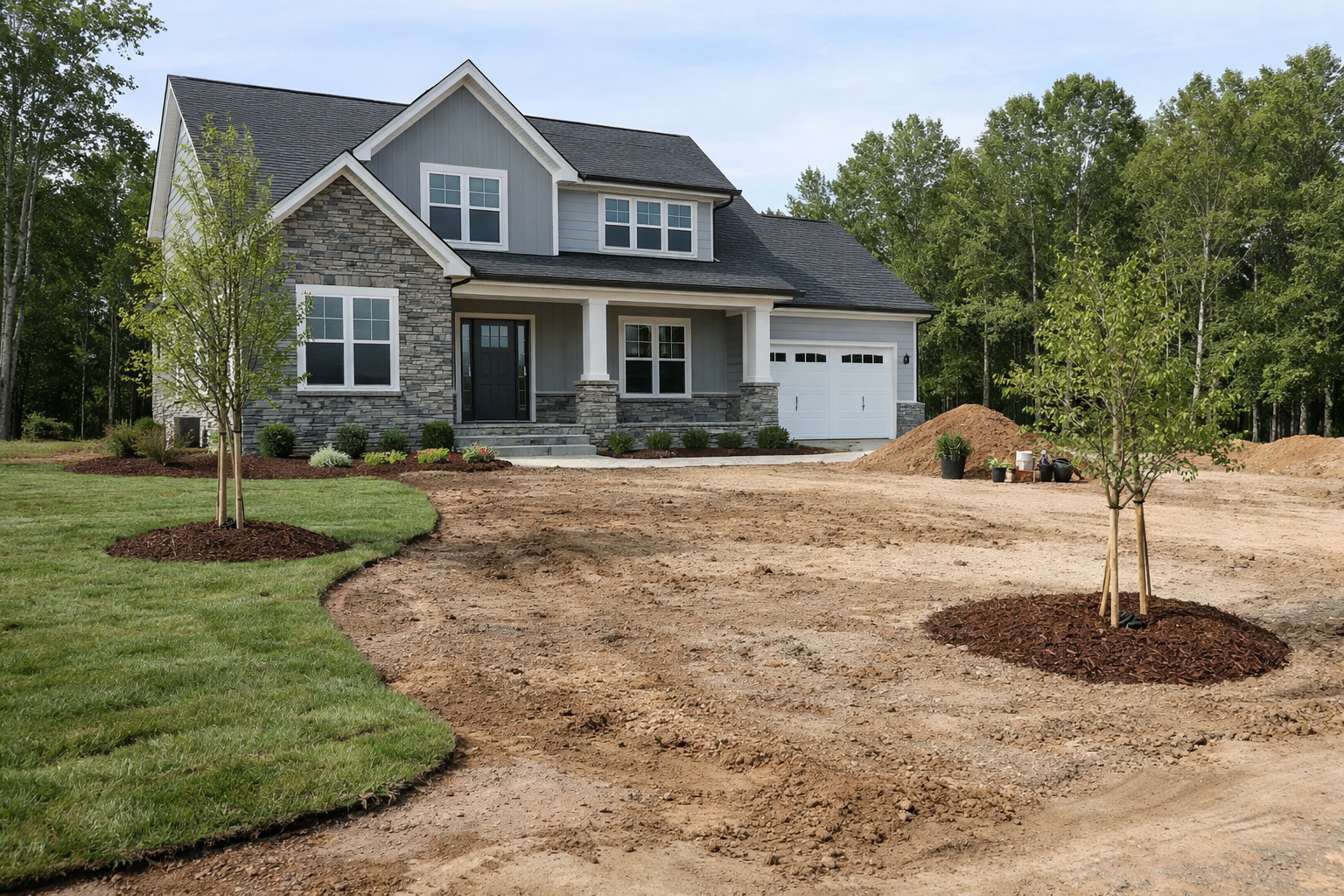
Steep slopes, poor drainage, rocky soil, or existing structures that need to be removed all add labor hours and equipment costs. A flat, easy-access yard is always cheaper to work with than a sloped or obstructed one.
Hardscaping vs. Softscaping Balance
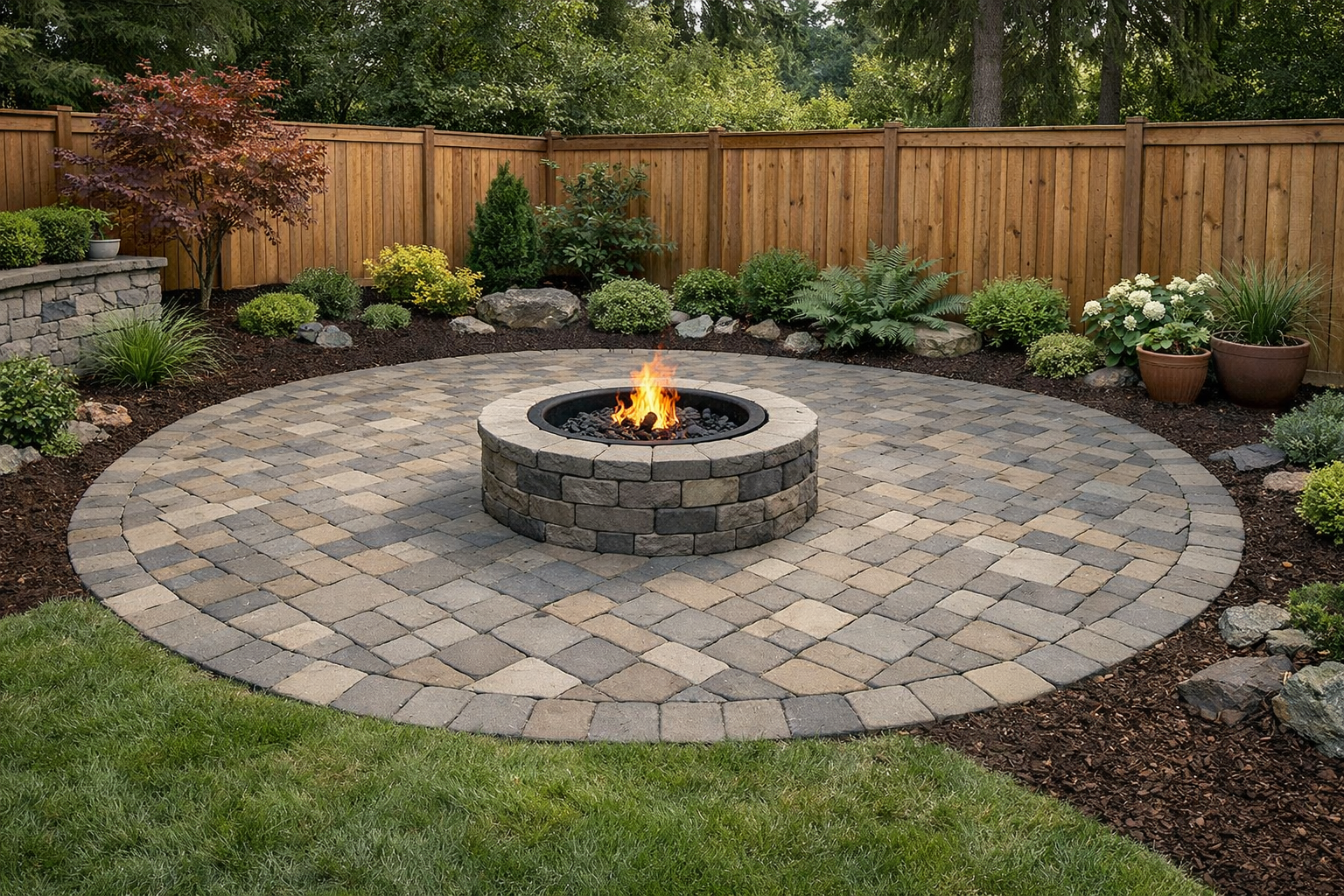
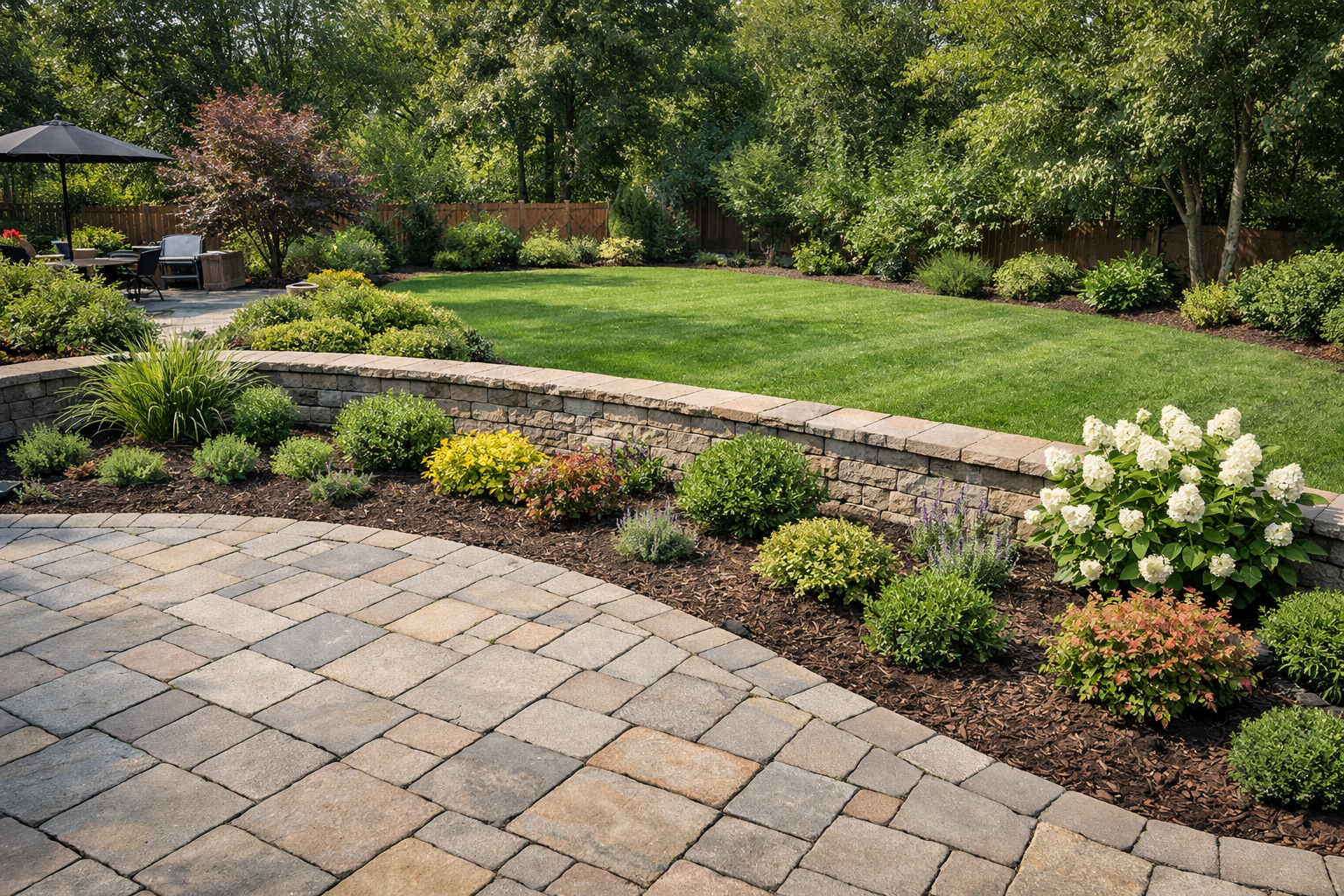
Hardscaping — patios, retaining walls, walkways, fire pits — tends to be more expensive per square foot than softscaping, which includes plants, mulch, sod, and garden beds. Projects heavy on hardscaping typically cost more overall.
Labor and Regional Rates
Labor costs vary significantly by region. Urban areas and regions with a high cost of living generally see higher landscaping rates than rural areas. Permit requirements in some municipalities can also add time and cost.
Typical Cost Ranges
These figures are general US estimates meant to help you plan a budget. Actual costs will vary based on your location, yard size, and project details.
- Low end (roughly $3,000–$7,000): Basic updates such as new plant beds, mulch, sod replacement, minor pathway work, or small accent features. Good for a modest refresh rather than a full redesign.
- Average range (roughly $8,000–$20,000): A more comprehensive remodel involving new plantings, a patio or walkway, basic irrigation updates, and some grading or drainage work. This is the range many mid-sized residential projects fall into.
- High end ($25,000 and up): Full-scale redesigns with custom hardscaping, outdoor kitchens, water features, extensive lighting, retaining walls, or large-scale grading. Projects on large properties or with premium materials can run well into the tens of thousands.
Keep in mind these are broad ranges. A landscaping company quoting your specific yard will factor in local material costs, labor rates, and site conditions that a general estimate can't capture.
Ways to Save on a Landscape Remodel
You don't have to sacrifice a great result to stay within budget. Consider these strategies:
- Phase the project. Break the remodel into stages — for example, hardscaping this year and plantings next year — to spread out costs.
- Choose smaller or younger plants. Mature trees and shrubs cost more upfront. Smaller plants cost less and will fill in over a few seasons.
- Reuse existing materials. If your current patio, edging, or retaining walls are structurally sound, consider updating rather than replacing them.
- Simplify the design. Straight edges and fewer custom features reduce labor time and material waste compared to intricate layouts.
- Do some work yourself. Tasks like spreading mulch, planting groundcover, or minor cleanup can often be handled by homeowners, leaving the skilled labor to professionals.
- Get multiple quotes. Pricing can vary significantly between contractors for similar scopes of work, so comparing estimates helps you find fair market value.
If you're ready to start gathering estimates, you can find landscape remodeling landscapers near you who can walk your property and provide a detailed, personalized quote.
What a Fair Quote Should Include
A trustworthy landscaping quote should go beyond a single lump-sum number. Look for these details:
- A clear scope of work: Exactly what will be removed, installed, or modified, including plant counts, square footage of hardscaping, and material types.
- Material specifications: Brand, grade, or type of pavers, stone, soil, mulch, or plants being used, so you know what you're paying for.
- Labor and equipment costs: Separate line items help you see where your money is going and compare quotes accurately.
- Site preparation details: Grading, drainage work, demolition, and debris removal should be spelled out, not buried in a vague "prep" fee.
- Timeline: A realistic start and completion window, including how weather delays might be handled.
- Warranty or guarantee information: Many contractors offer a warranty on plant survival or hardscape workmanship — ask what's covered and for how long.
- Payment schedule: A breakdown of deposit, milestone payments, and final payment terms.
Vague, overly simple quotes can lead to surprise costs once work begins. A detailed proposal protects both you and the contractor by setting clear expectations upfront.
FAQ
How long does a landscape remodel typically take?
Smaller projects might take one to two weeks, while larger remodels involving hardscaping, grading, or irrigation can take four to eight weeks or longer. Weather, permitting, and material availability can all affect the timeline.
Do I need a permit for landscape remodeling?
It depends on your project and local regulations. Simple planting or mulch work rarely needs a permit, but structures like retaining walls over a certain height, electrical work for lighting, or major grading changes often do. Your contractor should help identify what's required in your area.
Is it cheaper to remodel in phases or all at once?
Doing everything at once can sometimes reduce mobilization costs since the crew is only setting up and breaking down equipment once. However, phasing allows you to spread expenses over time, which may be easier on your budget even if the total cost is slightly higher.
What's the difference between landscaping and landscape remodeling?
Landscaping often refers to ongoing maintenance like mowing, trimming, and seasonal cleanup. Landscape remodeling involves a design-and-build process that changes the structure or layout of your yard, such as adding hardscaping, reworking plant beds, or installing new features.
Every yard is different, and the best way to get an accurate number for your project is to request quotes from a few local professionals. Visit CGMIMM to compare local landscapers and request free quotes to find the right fit for your budget and vision.