How Much Does New Construction Landscaping Cost?
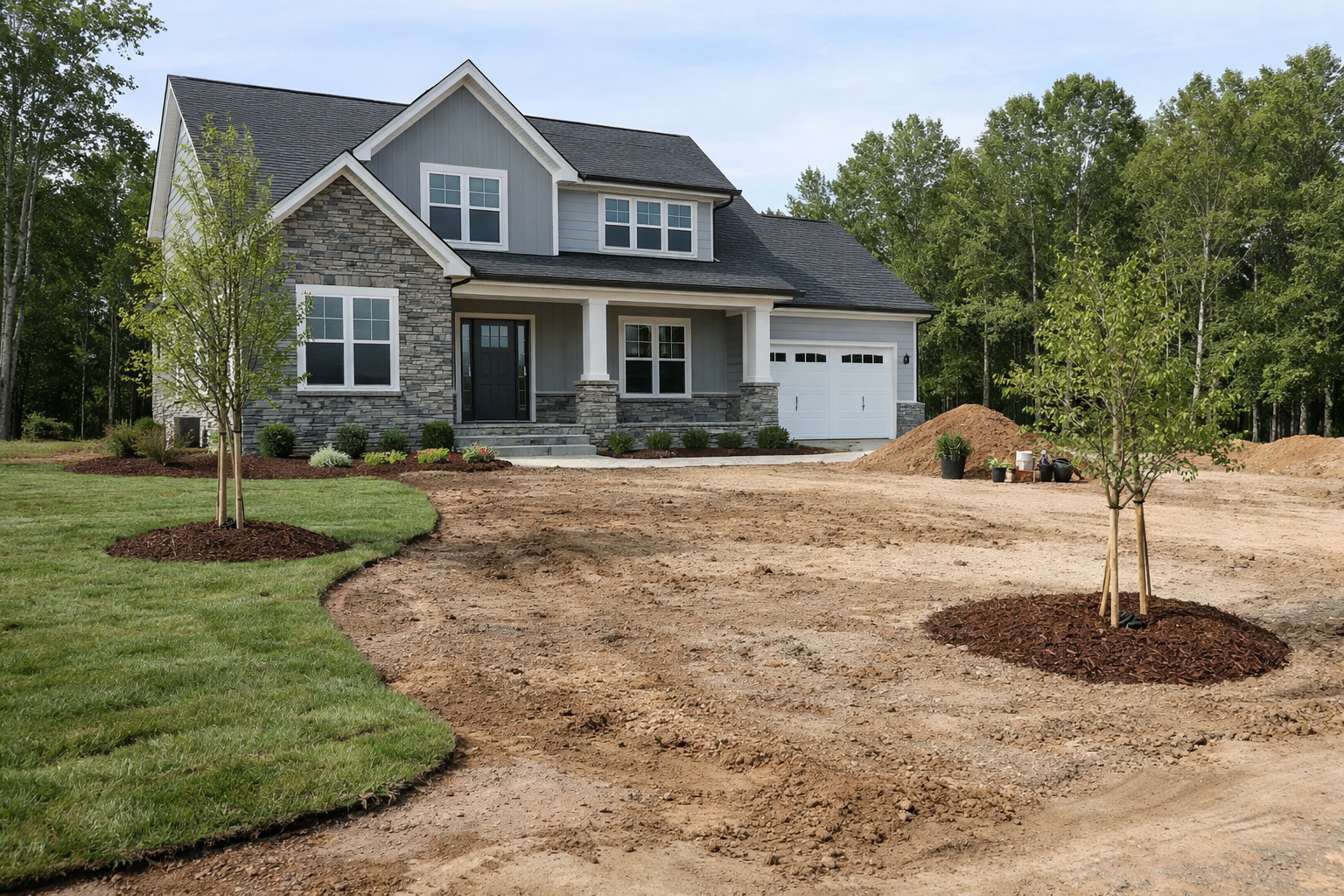
Moving into a new home is exciting, but the yard is often an afterthought for builders. What you're left with is usually compacted dirt, construction debris, poor drainage, and maybe a thin layer of sod around the front door. Turning that blank slate into a usable, attractive yard is called new construction landscaping, and it's one of the bigger line items new homeowners don't plan for. Here's what it actually costs and why.
What New Construction Landscaping Includes
Unlike a simple landscaping refresh, new construction landscaping usually starts from scratch. Depending on your lot and budget, it can include:
- Grading and soil correction to fix drainage issues left by the builder
- Irrigation system installation
- Sod or seeded lawn areas
- Trees, shrubs, and foundation plantings
- Mulch beds and edging
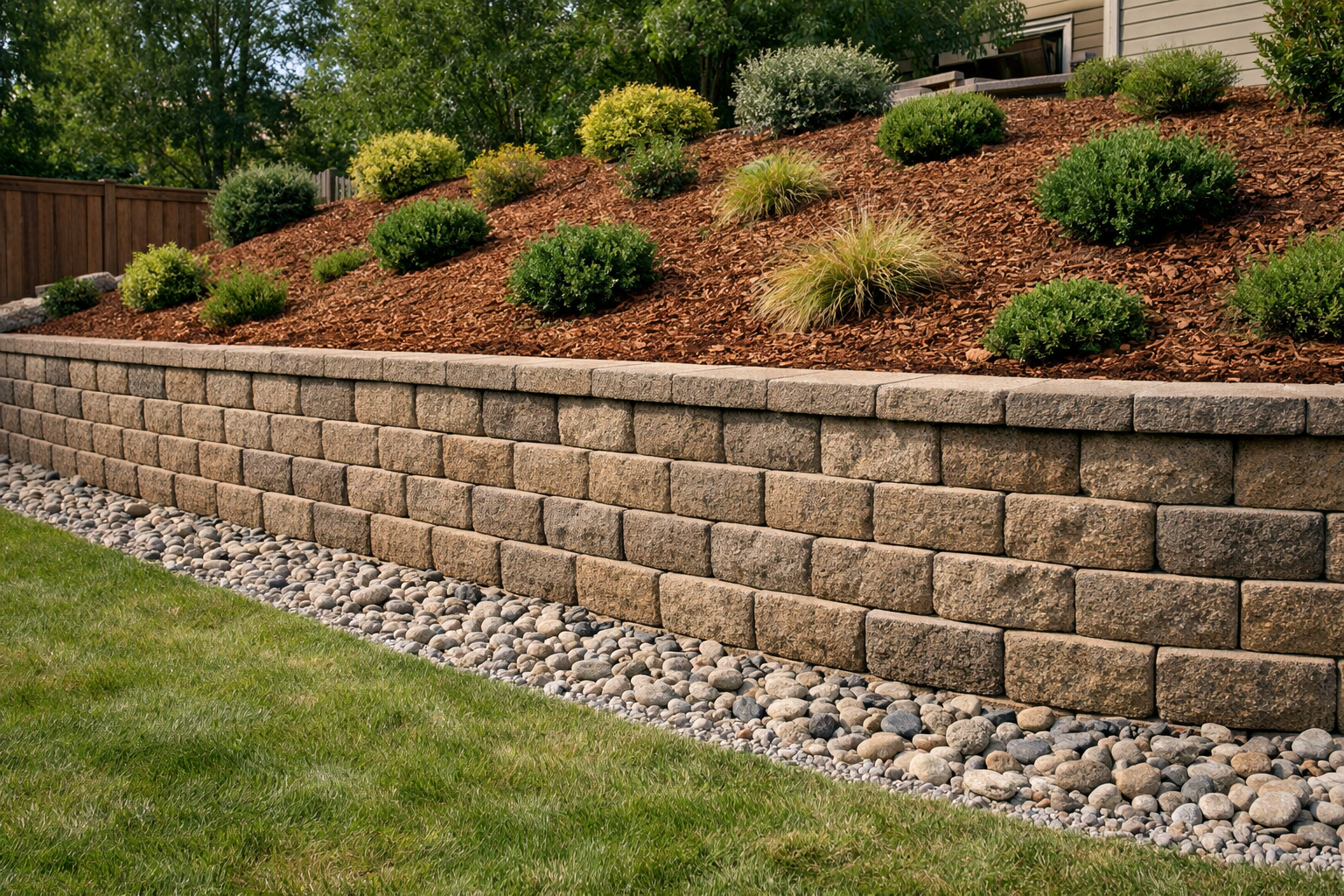
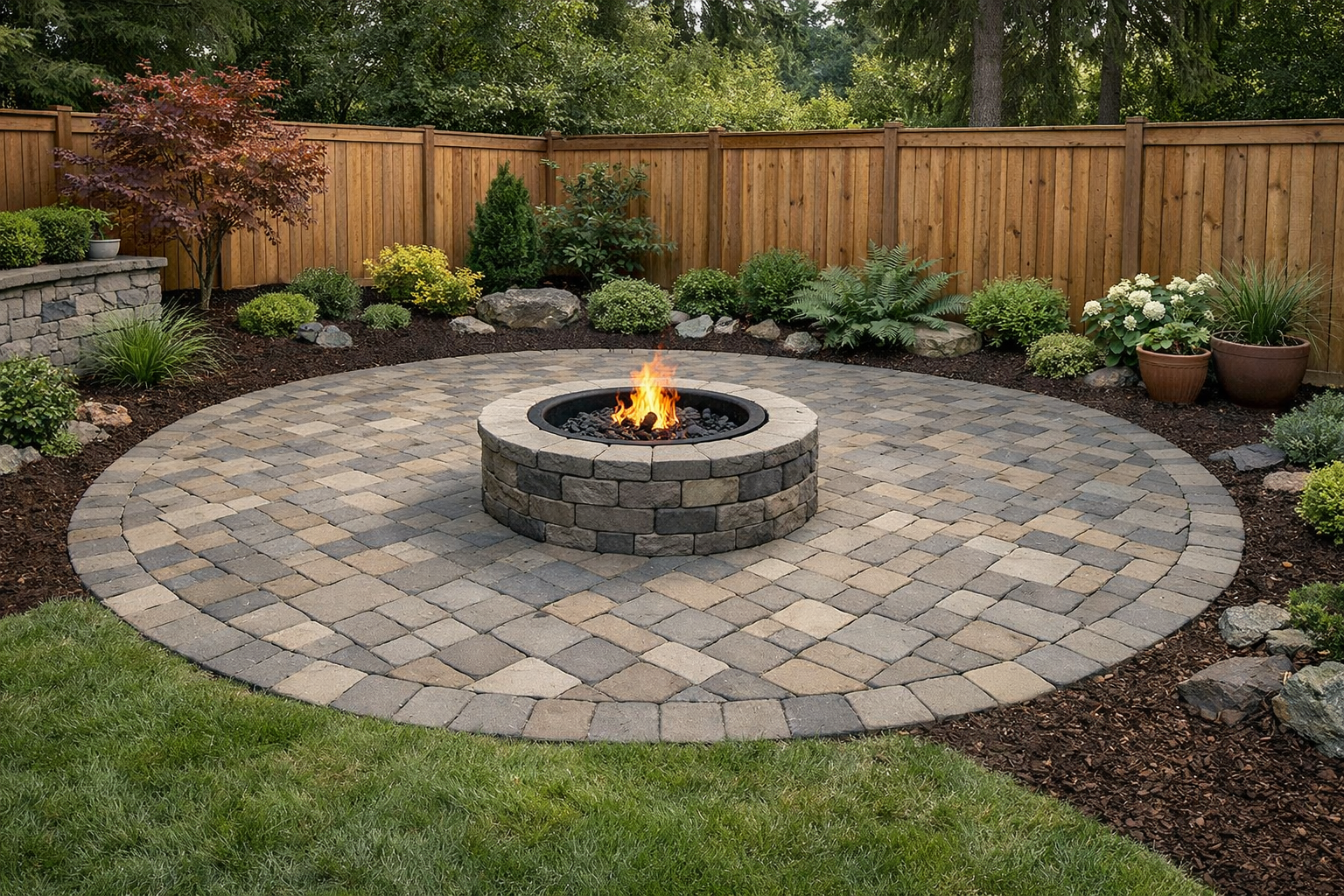
- Walkways, patios, or retaining walls
- Basic lighting
Not every project needs all of this, but builders rarely include more than minimal grading and a small strip of sod, so most of the yard is your responsibility.
Typical Cost Ranges
Costs vary widely depending on lot size, region, and how much hardscaping you add. As a general guide for a typical suburban lot in the US:
- Low end ($3,000–$7,000): Basic grading, grass seed or minimal sod, a handful of foundation plants, and mulch beds. DIY-friendly scope with a landscaper handling only the heavy equipment work.
- Average ($8,000–$20,000): Full sod lawn, irrigation system, a mix of trees and shrubs, mulched beds, basic walkway, and some lighting. This is the most common range for a standard new build on a quarter-acre to half-acre lot.
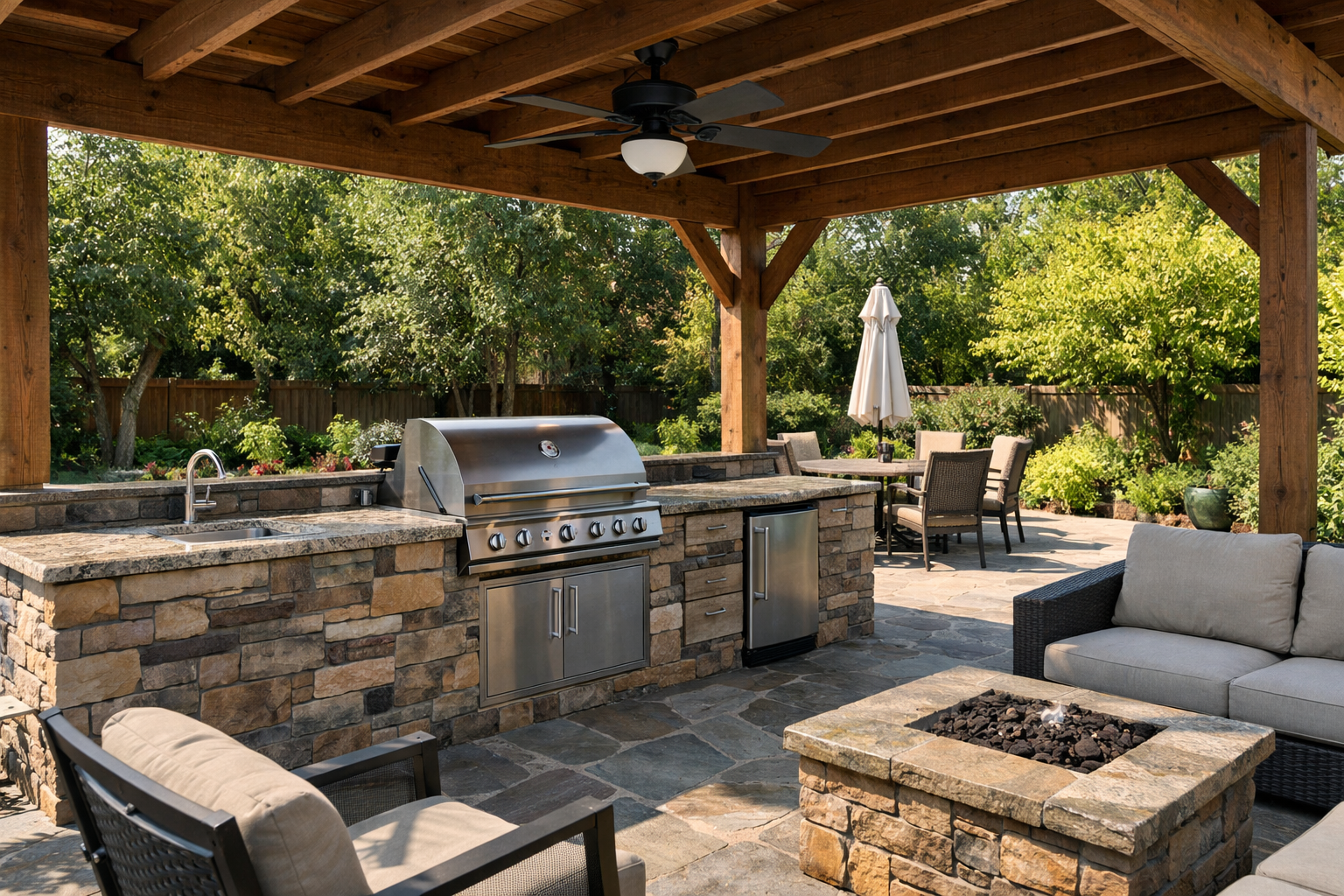
- High end ($25,000–$60,000+): Larger lots, extensive hardscaping (patios, retaining walls, outdoor kitchens), mature tree plantings, custom irrigation zones, and decorative lighting throughout.
Larger properties, steep or poorly draining lots, and regions with higher labor costs (coastal cities, major metros) tend to land on the higher end. Rural areas and flat, easy-to-work lots usually cost less.
What Drives the Price Up or Down
Lot Size and Grading Needs
More square footage means more soil, sod, and plant material. If your lot has drainage problems or uneven grading from construction equipment, expect extra cost for excavation and soil correction before any planting happens.
Soil Quality
New construction sites often have subsoil instead of topsoil pushed to the surface during building. Poor soil needs amendment or replacement before grass or plants will thrive, which adds to the budget but saves money long-term by preventing dead landscaping.
Irrigation System
A full in-ground sprinkler system is one of the bigger upcharges, often adding several thousand dollars. It's optional, but it significantly improves how well new sod and plants establish, especially in hot or dry climates.
Plant and Tree Selection
Mature trees and large shrubs cost far more than young saplings or small starter plants. Native and regionally appropriate plants are usually cheaper to source and maintain than exotic varieties.
Hardscaping
Walkways, patios, retaining walls, and driveways are priced separately from planting and lawn work, and they can easily become the most expensive part of the project depending on materials chosen (concrete, pavers, natural stone).
Lot Accessibility
Narrow lots, steep slopes, or yards with limited equipment access can increase labor costs since more work has to be done by hand instead of machine.
Ways to Save on New Construction Landscaping
- Phase the project. Handle grading, soil, and lawn first, then add hardscaping and extra plantings in a later season once budget allows.
- Choose seed over sod where practical. Seeding costs less than sod, though it takes longer to establish and needs more watering upfront.
- Start with smaller plants. Young trees and shrubs cost a fraction of mature ones and will catch up in size within a few years.
- Get multiple quotes. Pricing for new construction work varies significantly between companies, so comparing bids helps you avoid overpaying.
- Do some labor yourself. Spreading mulch or planting small shrubs yourself after a landscaper finishes grading and major planting can trim labor costs.
- Ask about builder credits. Some builders offer a landscaping allowance or credit that can be applied toward design and installation.
If you're ready to get pricing, it's worth reaching out to a few new construction landscaping landscapers near you so you can compare how they scope and price the same project.
What a Fair Quote Should Include
A solid, trustworthy quote for new construction landscaping should spell out:
- A site evaluation covering soil condition, drainage, and grading needs
- A clear plant and material list, including sizes and quantities
- Square footage for sod, seed, or planting beds
- Irrigation system details, if included, with zone count and coverage
- Hardscaping materials and measurements, priced separately from planting
- A timeline, including when grading, planting, and finishing touches happen
- Warranty terms for plants, sod, or trees
- Payment schedule tied to project milestones
Be cautious of quotes that bundle everything into one vague number without breaking down materials and labor. A detailed quote makes it much easier to compare landscapers fairly and catch any missing scope before work starts.
FAQ
How soon after construction should I start landscaping?
It's best to wait until major construction work and heavy equipment traffic around your home are finished to avoid damaging new plantings or sod. Many homeowners start grading and planting within the first few months of moving in, timed around the local planting season.
Is sod or seed better for a new construction lawn?
Sod gives you an instant lawn and is more forgiving of imperfect timing, but it costs more. Seed is cheaper and can establish a strong root system, but it takes longer and needs consistent watering and care while it grows in.
Do I need an irrigation system right away?
It's not required, but new sod, seed, and young plants need regular watering to establish. If you're not installing irrigation immediately, plan on manual watering for the first season, especially in hot or dry climates.
Can I landscape in phases instead of all at once?
Yes, phasing is common and budget-friendly. Many homeowners handle grading, soil correction, and lawn installation first, then add trees, hardscaping, and lighting in later phases as funds allow.
Every lot is different, and new construction landscaping costs can shift quickly based on soil, grading, and design choices. The best way to get an accurate number for your yard is to request free quotes from a few local landscapers on CGMIMM and compare their scope, pricing, and timeline side by side.