How Much Does Sprinklers & Irrigation Cost?
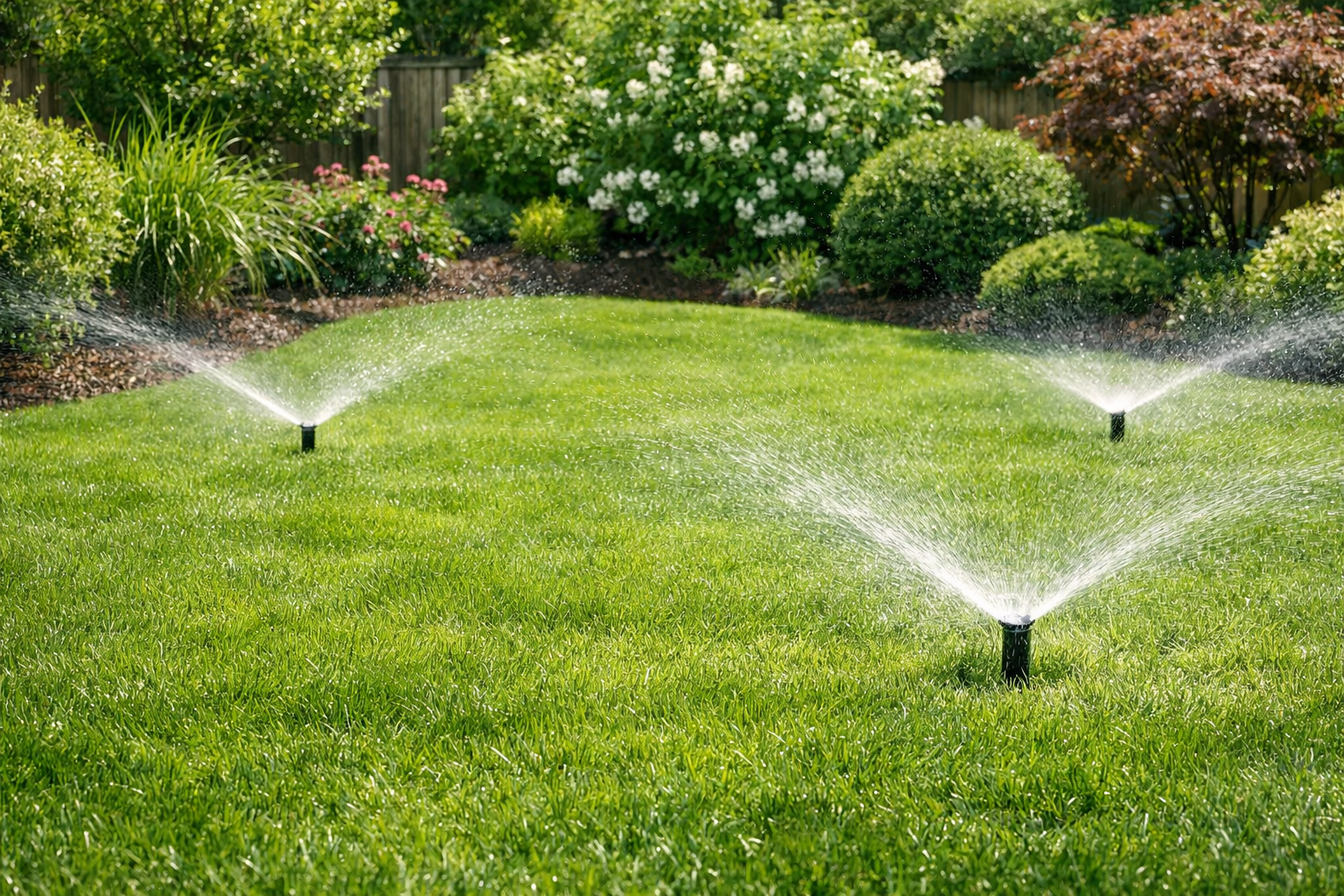
A well-designed sprinkler or irrigation system can save you time, cut water waste, and keep your lawn and landscaping healthy through dry stretches. But because every yard is different, pricing can swing quite a bit from one property to the next. This guide breaks down what typically drives the cost, the general price ranges homeowners and property managers can expect across the US, and how to make sure you're getting a fair deal.
What Drives the Price of a Sprinkler or Irrigation System
Irrigation installation costs depend on several factors that interact with each other. Understanding them helps explain why two seemingly similar yards can get very different quotes.
- Yard size: Larger properties need more pipe, more sprinkler heads or drip lines, and more zones, which increases both materials and labor time.
- System type: Traditional spray sprinklers, rotor heads, drip irrigation, and smart/Wi-Fi controlled systems all come at different price points. Drip systems for garden beds tend to cost less than full lawn sprinkler setups.
- Number of zones: Yards are typically divided into zones based on sun exposure, plant type, and water pressure needs. More zones mean more valves, wiring, and controller capacity.
- Soil and terrain: Rocky, clay-heavy, or sloped yards are harder to trench and may require extra labor or specialized equipment.
- Existing landscaping: Mature trees, established gardens, hardscaping, and underground utilities can complicate installation and add time for careful digging around obstacles.
- Water source and pressure: Connecting to municipal water, a well, or adding a backflow preventer (often required by local code) affects both cost and complexity.
- Controller and technology: Basic timers cost less than smart controllers that adjust watering based on weather data, soil moisture sensors, or rain sensors.
- Labor rates and permits: Costs vary by region, and some municipalities require permits or inspections for irrigation work, which adds to the total.
Typical Cost Ranges
These figures are general US averages and will vary depending on your location, yard conditions, and the contractor you choose.
Low End
For a small yard with a simple drip irrigation setup or a basic sprinkler system with just one or two zones, homeowners might pay somewhere in the range of $1,500 to $2,500. This usually covers a straightforward layout with minimal landscaping obstacles and a basic timer.
Average Range
Most residential sprinkler system installations fall between $3,000 and $6,000. This typically includes a multi-zone system covering an average-sized lawn, standard spray and rotor heads, a backflow preventer, and a mid-range controller.
High End
Larger properties, complex landscaping, smart irrigation technology, or difficult terrain can push costs to $7,000 to $12,000 or more. This range often applies to properties with extensive zones, drip and spray combinations, advanced weather-based controllers, or significant trenching through rocky or sloped ground.
Beyond installation, keep in mind ongoing costs like seasonal start-up and winterization service, which often run $75 to $200 per visit depending on system size and region.
Ways to Save on Irrigation Costs
There are several practical ways to manage costs without cutting corners on quality:
- Get multiple quotes: Pricing can vary significantly between contractors for the same scope of work, so comparing estimates helps you spot a fair price.
- Phase the installation: If budget is tight, some homeowners install the front yard first and add the backyard in a later season.
- Choose the right system for your needs: Drip irrigation for garden beds is often cheaper than full spray coverage, and it uses less water.
- Simplify zoning where possible: While zones are important for even watering, an overly complex design can add unnecessary cost.
- Ask about off-season scheduling: Some landscapers offer better rates in early spring or fall when demand is lower.
- Maintain your system: Regular maintenance and proper winterization prevent costly repairs from freeze damage or worn-out components.
If you're ready to start comparing options, you can find sprinklers & irrigation landscapers near you who can assess your yard and provide a detailed estimate based on your specific layout and goals.
What a Fair Quote Should Include
A trustworthy, detailed quote should go beyond just a total price. Look for the following elements before signing a contract:
- A clear scope of work: Number of zones, type of heads or drip lines, and total coverage area.
- Materials breakdown: Pipe type, sprinkler head brand and model, controller type, and backflow preventer details.
- Labor costs: Trenching, installation, and cleanup should be itemized or at least clearly explained.
- Permits and inspections: If required in your area, confirm whether the contractor handles this or if it's your responsibility.
- Warranty information: Both parts and labor warranties should be spelled out, including duration and what's covered.
- Timeline: A realistic estimate of how long installation will take, including any weather-related delays.
- Maintenance recommendations: Many contractors offer seasonal start-up and winterization packages worth asking about upfront.
Before committing, it's worth taking time to compare local landscapers so you can weigh not just price, but experience, reviews, and the specifics of what's included in each quote.
FAQ
How long does it take to install a sprinkler system?
Most residential installations take one to three days, depending on yard size, number of zones, and soil conditions. Larger or more complex properties may take longer, especially if trenching through rocky or heavily landscaped areas.
Is drip irrigation cheaper than a sprinkler system?
Generally, yes. Drip irrigation uses less material and is simpler to install for garden beds and individual plants, making it a more budget-friendly option compared to full-coverage spray systems for lawns.
Do I need a permit to install a sprinkler system?
It depends on your local municipality. Many areas require a permit, especially if you're connecting to the public water supply or installing a backflow preventer. A local landscaper familiar with your area's codes can confirm what's needed.
How much does it cost to repair an existing irrigation system?
Minor repairs, like fixing a broken head or a leaking valve, often cost between $75 and $250. More involved repairs, such as fixing a main line break or replacing a controller, can run several hundred dollars depending on the issue.
Costs can vary quite a bit based on your specific yard and location, so the best way to get an accurate number is to request free quotes from a few local landscapers on CGMIMM and compare what each one offers.