How Much Does Garden Design & Installation Cost?
A well-planned garden can transform a yard from an afterthought into one of the most enjoyable parts of your home. But before you start picking out plants, it helps to understand what garden design and installation actually costs, and why prices can swing so widely from one project to the next. This guide walks through typical pricing in the US, the factors that move the number up or down, and how to make sure a quote covers everything it should.
What Affects the Price of Garden Design & Installation
Garden projects range from a simple flower bed refresh to a full backyard transformation with hardscaping, irrigation, and custom plantings. Several factors determine where your project falls on that spectrum.
Size of the Garden Area
Larger spaces naturally require more plants, soil amendments, mulch, and labor hours. Most landscapers price by square footage, so even a modest increase in garden size can add up quickly.
Design Complexity
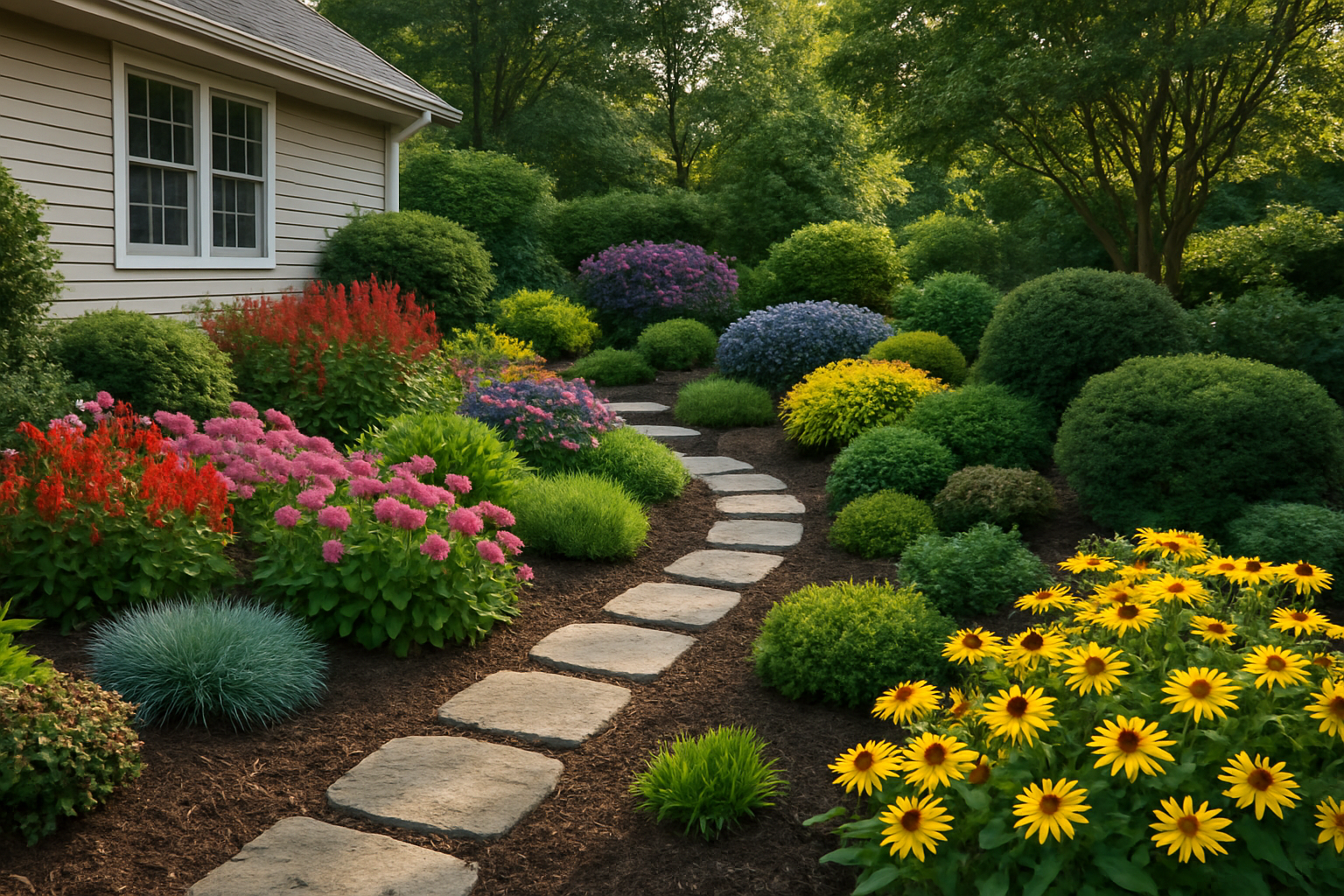
A basic layout with a few shrubs and perennials costs far less than a custom design with curved beds, layered plantings, defined pathways, or a specific theme like a cottage garden or native pollinator garden. Complex designs take more planning hours and often require a professional designer rather than just an installation crew.
Plant Selection
Costs vary a lot depending on whether you choose small annuals, mature perennials, or specimen trees and shrubs. Larger, more mature plants cost more upfront but create an established look faster. Native and drought-tolerant plants can sometimes reduce long-term costs even if initial pricing is similar.
Soil Preparation and Site Conditions
If your yard has poor soil, drainage issues, heavy clay, or existing debris and old plantings to remove, expect added labor and material costs for soil amendments, grading, or drainage solutions before planting can even begin.
Hardscaping and Extras
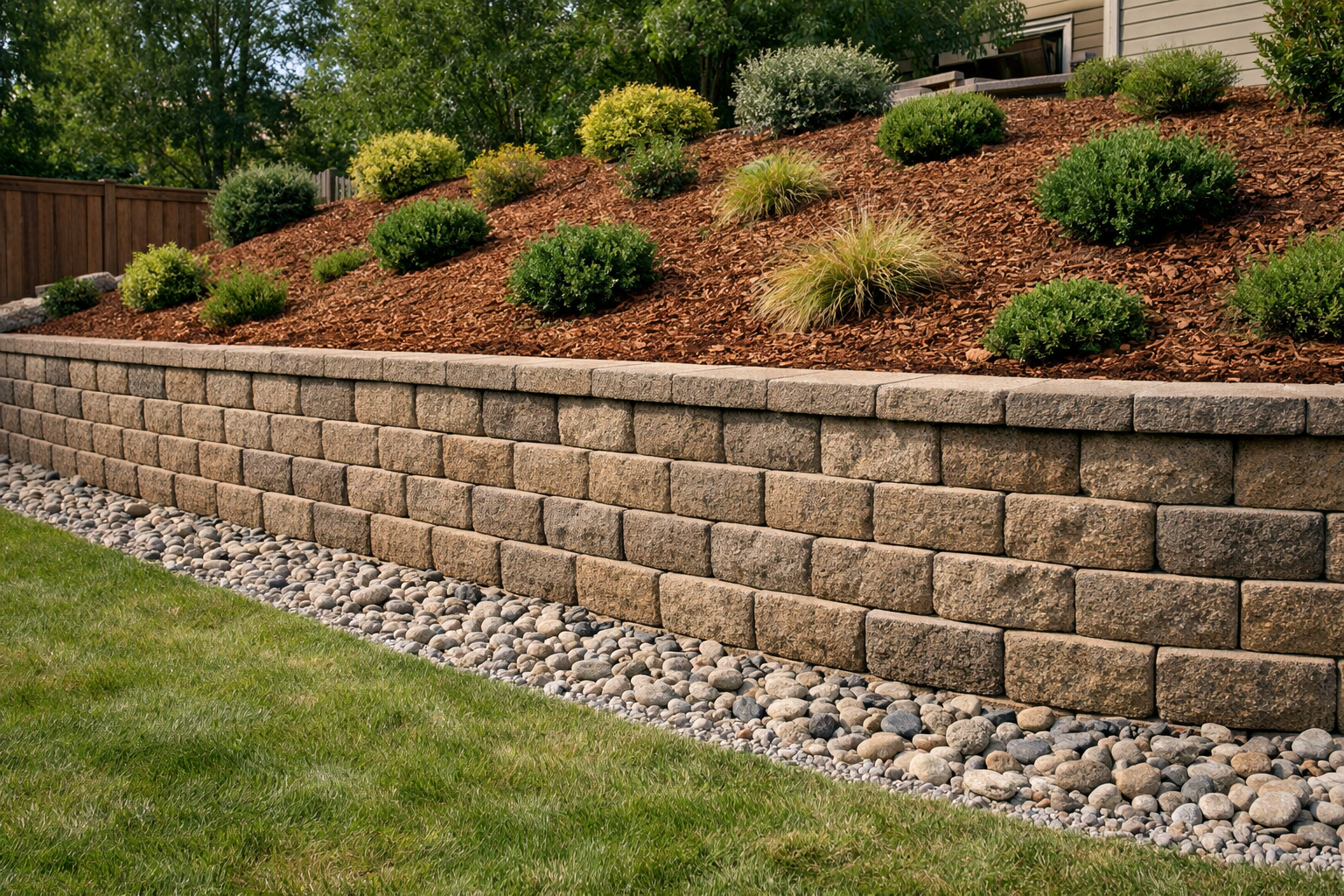
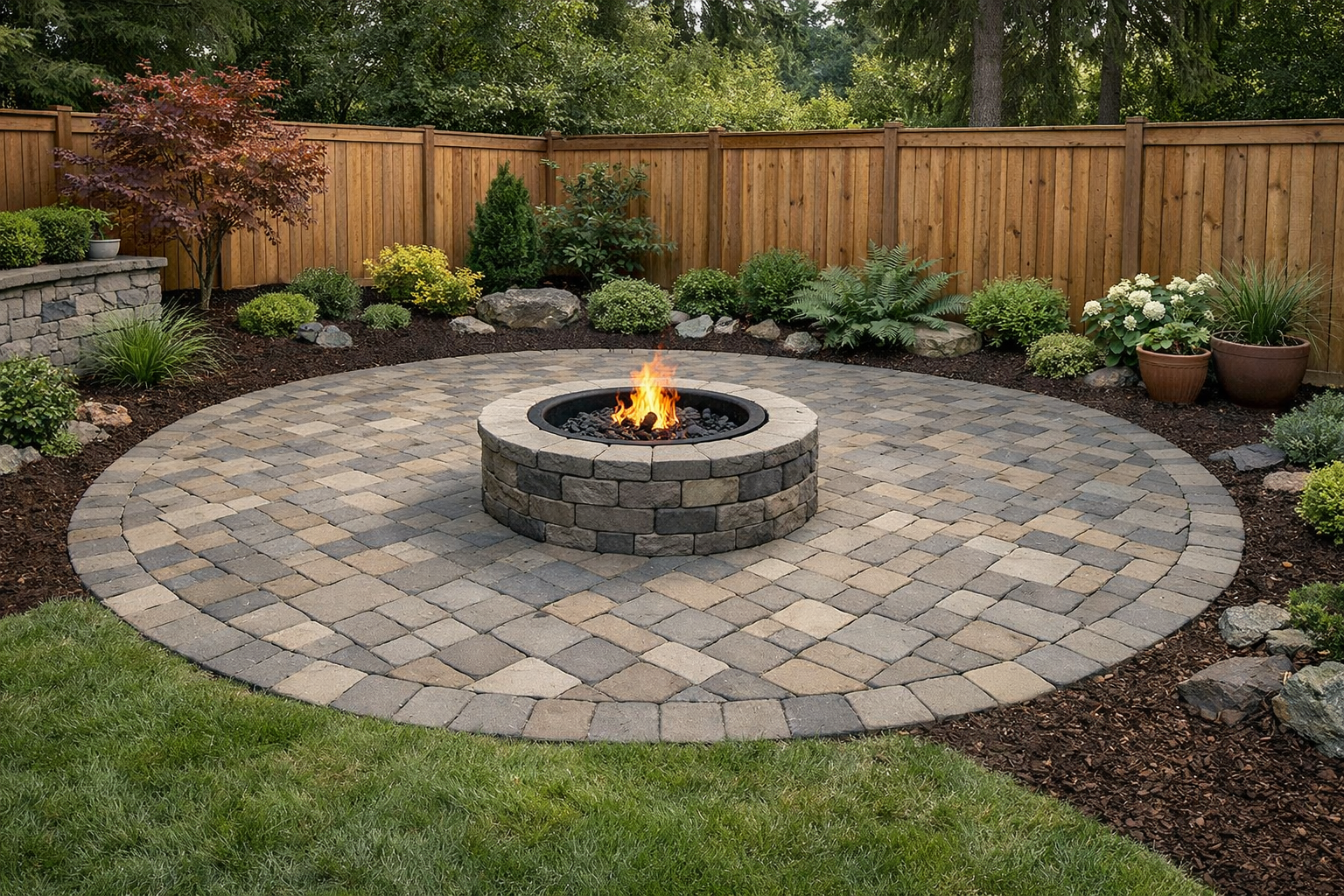
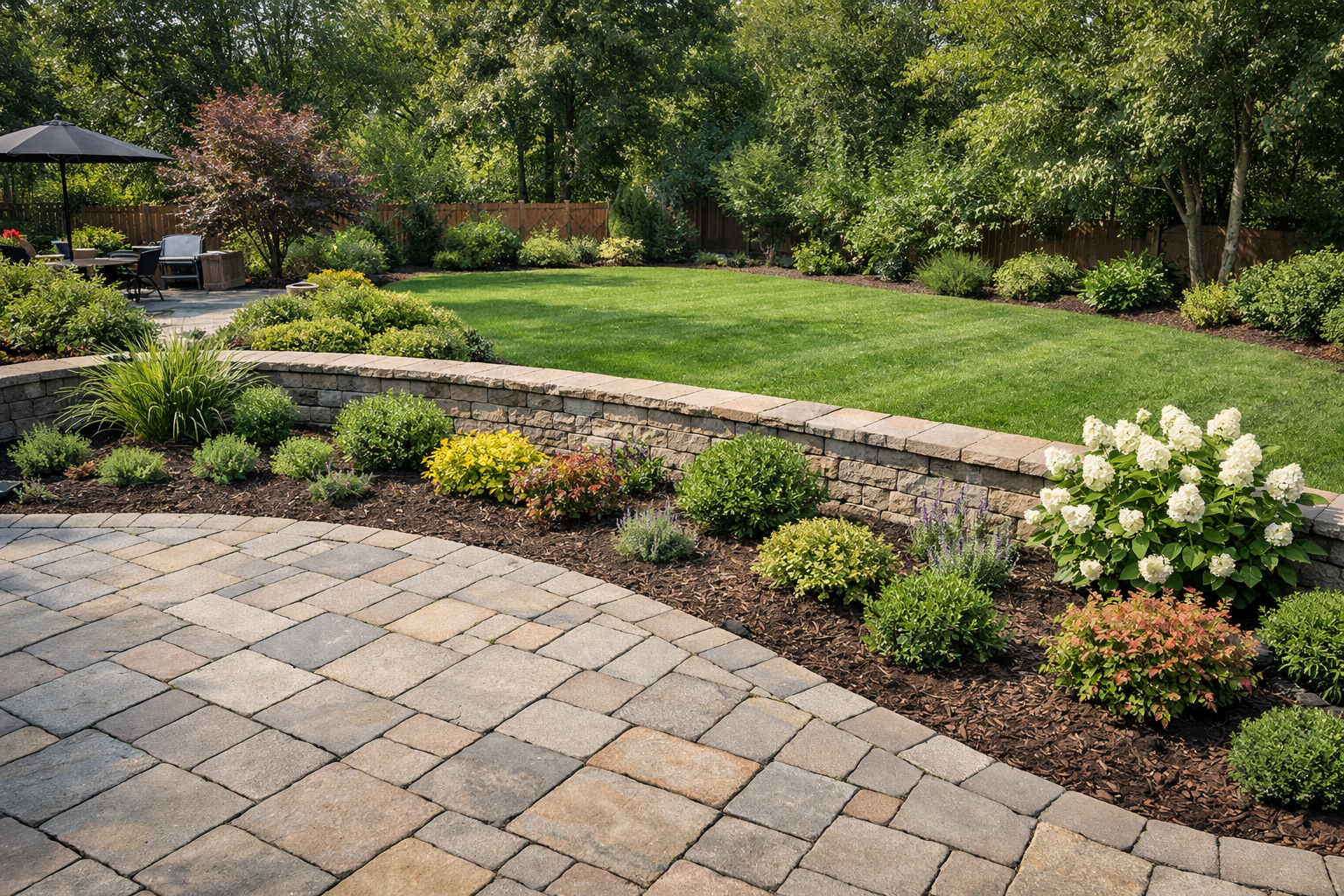
Garden projects often include more than plants. Edging, pathways, retaining walls, raised beds, irrigation systems, lighting, and decorative elements like trellises or water features all add to the total price.
Labor and Regional Differences
Labor rates vary significantly by region and even by city. Areas with a higher cost of living or high demand for landscaping services tend to have higher installation rates. Climate also plays a role, since some regions require more irrigation planning or soil correction than others.
Typical Cost Ranges in the US
These figures are general estimates meant to give you a starting point. Actual costs depend on your location, yard conditions, and the scope of your project.
- Low end ($500–$1,500): A small garden bed refresh, basic plant installation, or a simple design plan for a small area using budget-friendly plants and minimal hardscaping.
- Average range ($2,000–$7,000): A mid-sized garden with professional design input, quality soil preparation, a mix of perennials and shrubs, mulch, basic edging, and possibly a small irrigation upgrade.
- High end ($10,000–$25,000+): A full custom garden design with mature plantings, hardscaping features, irrigation systems, lighting, and specialty elements like water features or extensive pathways.
Keep in mind that design fees alone (if hired separately from installation) can range from a few hundred dollars for a simple consultation to several thousand dollars for a detailed landscape architecture plan on a larger property.
Ways to Save on Garden Design & Installation
Garden projects don't have to break the budget. A few practical strategies can help you get a beautiful result while keeping costs reasonable.
- Phase the project: Install the garden in stages over a year or two instead of all at once, spreading out the cost.
- Choose smaller plants: Smaller perennials and shrubs cost less than mature specimens and will fill in over a season or two.
- Simplify the layout: Straight lines and fewer bed curves reduce labor time compared to intricate, multi-level designs.
- Do some of the work yourself: Many homeowners handle mulching, planting, or minor digging themselves while hiring professionals for design, soil prep, or hardscaping.
- Use native and low-maintenance plants: These often require less soil amendment, watering, and ongoing care, saving money long after installation.
- Get multiple quotes: Pricing can vary noticeably between landscapers for the same scope of work, so comparing estimates is worth the time.
If you're ready to start planning, you can find garden design & installation landscapers near you who can walk your property and give you a realistic estimate based on your specific yard.
What a Fair Quote Should Include
A trustworthy quote should be detailed enough that you know exactly what you're paying for. Look for the following elements:
- A clear breakdown of design fees versus installation costs
- Specific plant types, sizes, and quantities rather than vague line items
- Soil preparation details, including any amendments or grading work
- Materials for edging, mulch, or hardscaping, listed separately
- Labor costs and an estimated project timeline
- Information about warranties on plants or workmanship
- Any costs related to permits, if hardscaping or drainage work requires them
A vague, single-number quote without details makes it hard to know if you're getting fair value, and it can lead to surprise charges later. Don't hesitate to ask a landscaper to explain any part of the estimate you don't understand.
Getting Started
Garden design and installation costs can vary widely depending on your goals, yard size, and location, but understanding the key cost drivers helps you plan realistically and avoid surprises. Whether you're refreshing a small flower bed or planning a full backyard garden, it pays to compare options before committing. You can compare local landscapers to see reviews, services, and pricing approaches side by side.
FAQ
How much does it cost to design a garden without installation?
Design-only services typically range from a few hundred dollars for a basic layout to a few thousand dollars for a detailed plan from a landscape designer or architect, depending on property size and complexity.
Is it cheaper to install a garden myself?
DIY installation can save on labor costs, but you'll still need to budget for plants, soil, and materials. Many homeowners choose a hybrid approach, hiring professionals for design and soil prep while handling planting themselves.
How long does garden installation usually take?
Small projects may be completed in a day or two, while larger gardens with hardscaping or irrigation can take one to several weeks depending on scope and weather conditions.
Do garden installation costs include ongoing maintenance?
Usually not. Installation quotes typically cover the initial design and planting. Ongoing maintenance, such as weeding, pruning, and seasonal care, is often a separate service you can add on.
If you're ready to move forward, the best next step is requesting free quotes from local landscapers on CGMIMM to compare pricing and find the right fit for your garden project.