How Much Does Drainage & Grading Cost?
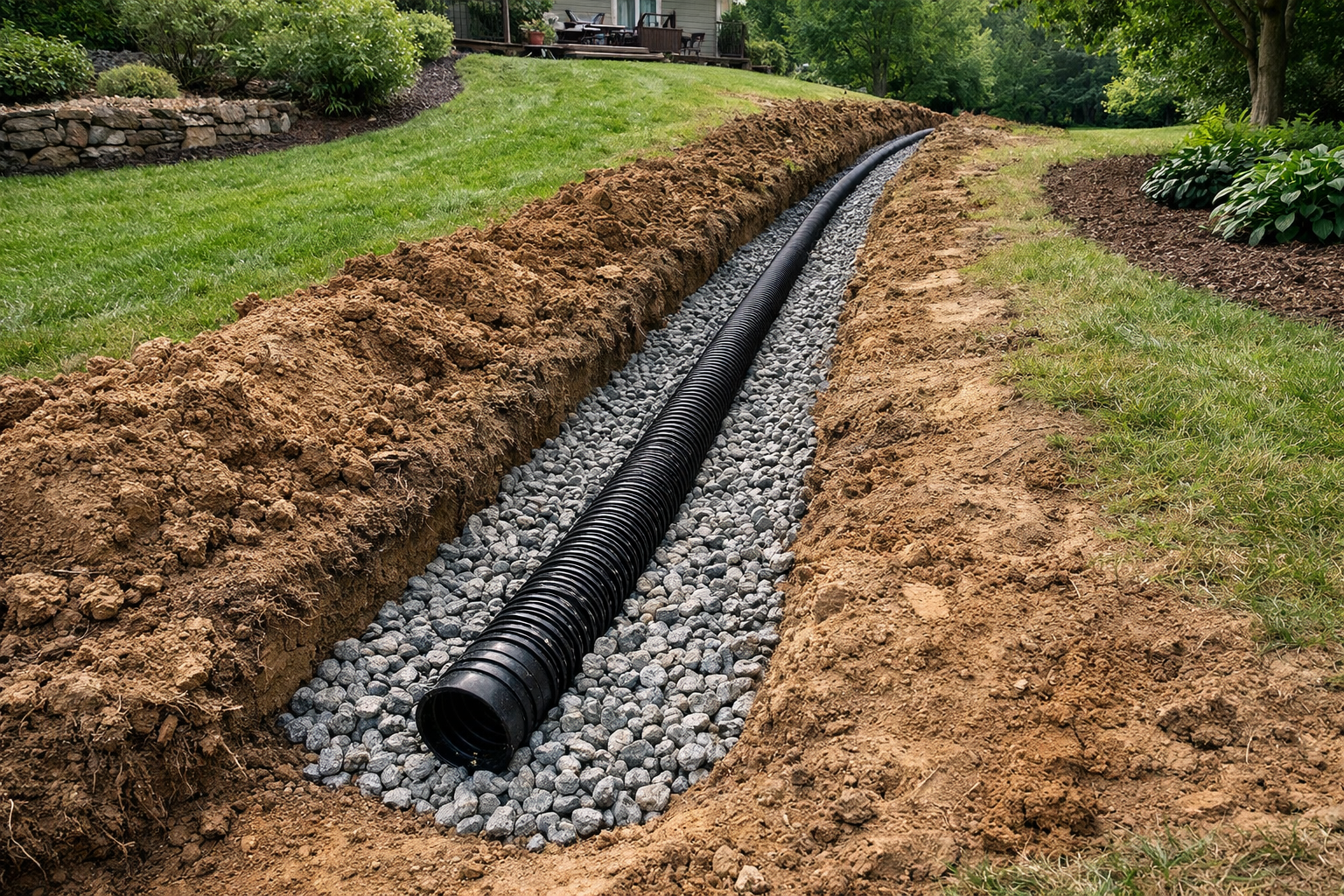
Standing water in the yard, a soggy basement wall, or a lawn that slopes the wrong way toward your foundation—these are the kinds of problems that drainage and grading work is meant to fix. Before you call around for estimates, it helps to understand what typically drives the cost, what a reasonable price range looks like, and what should be included in a solid quote.
What Affects the Price
Drainage and grading projects vary a lot in scope, so there isn't one flat rate that applies to every yard. Instead, contractors price based on a mix of factors specific to your property.
- Size of the area: Regrading or installing drainage across a large backyard costs more than fixing a small, isolated wet spot.
- Type of drainage system: A simple surface swale is cheaper than a French drain, catch basin system, or underground downspout piping.
- Soil type: Heavy clay soil holds water and often needs more extensive correction than sandy or well-draining soil.
- Slope and grading needs: Yards that need significant regrading with heavy equipment cost more than those needing minor adjustments.
- Accessibility: Tight side yards, fenced areas, or spots that require hand-digging instead of machine work add labor time and cost.
- Depth and length of pipe runs: Longer underground drain lines, deeper trenches, and more connection points increase material and labor costs.
- Disposal of excess soil or debris: Hauling away dirt, old landscaping, or rock can add to the final bill.
- Local permits and codes: Some municipalities require permits for grading changes or drainage that discharges onto a neighbor's property or into a storm system.
- Additional features: Dry wells, sump pumps, catch basins, and decorative rock drainage beds all add to the price.
Typical Cost Ranges
These figures are general US averages. Actual pricing depends heavily on your region, soil conditions, and the complexity of the job, so treat them as a starting point rather than a quote.
- Low end ($300–$1,500): Minor grading touch-ups, filling low spots, or installing a short, simple French drain in an easy-to-access area.
- Average range ($1,500–$5,500): Most residential drainage projects fall here—this might include a French drain system along a foundation, downspout extensions tied into underground piping, or moderate regrading of a backyard.
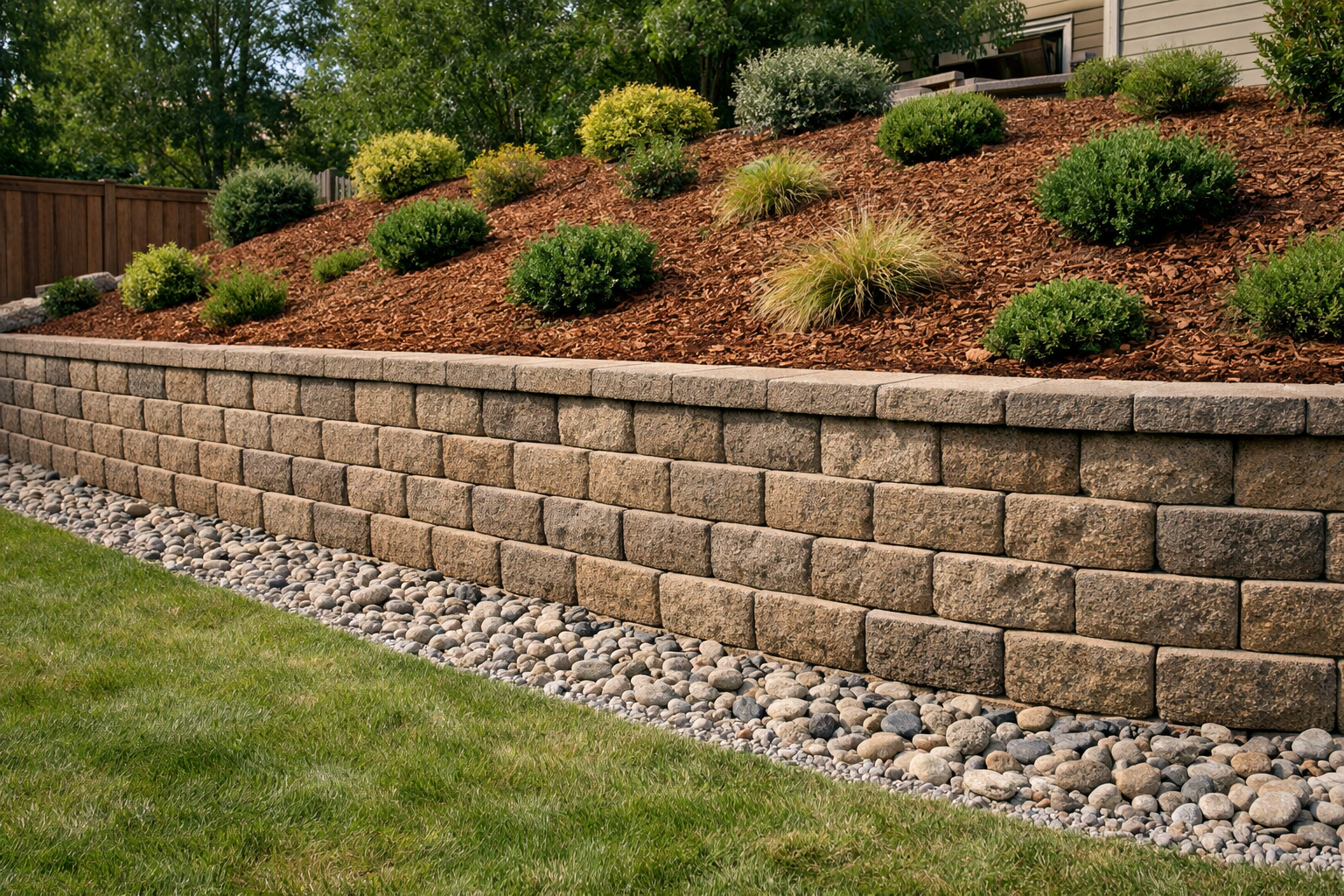
- High end ($6,000–$15,000+): Large-scale regrading, whole-property drainage systems, retaining walls combined with drainage work, or sites requiring extensive excavation and soil correction.
Keep in mind that drainage problems tied to foundation issues, or properties on steep slopes, can push costs toward the higher end because they often require engineering input and more substantial systems.
Ways to Save on Drainage & Grading
Drainage work isn't usually a place to cut corners entirely—poor drainage can lead to expensive foundation or erosion damage down the road—but there are smart ways to manage the cost.
- Get multiple quotes: Pricing for the same job can vary significantly between contractors, so comparing a few estimates helps you find a fair market rate.
- Address problems early: Small wet spots are much cheaper to fix than drainage issues that have caused foundation cracks or soil erosion.
- Combine projects: If you're already having grading or landscaping work done, adding drainage improvements at the same time can reduce mobilization and labor costs.
- Choose the right system for the problem: Not every yard needs an elaborate underground system—sometimes simple regrading or a swale solves the issue at a fraction of the cost.
- Maintain what you have: Clearing gutters, extending downspouts, and keeping existing drains free of debris can prevent the need for bigger repairs later.
- Ask about seasonal timing: Some contractors offer better availability and pricing in the off-season compared to spring, when demand for drainage work spikes after wet weather.
If you're ready to get pricing for your yard, it's worth reaching out to a few drainage & grading landscapers near you to see how estimates compare for your specific situation.
What a Fair Quote Should Include
A trustworthy quote should go beyond a single number. Look for these details so you know exactly what you're paying for:
- A clear scope of work: What exactly will be done—regrading, pipe installation, catch basins, outlet locations, and so on.
- Materials specified: Pipe type and diameter, gravel or aggregate used, fabric or filter sock if applicable.
- Site preparation and cleanup: Whether sod or landscaping will be removed and replaced, and how excess soil or debris will be handled.
- Timeline: An estimated start date and how long the work will take.
- Permits: Whether permits are needed and who is responsible for pulling them.
- Warranty information: Many reputable contractors offer a warranty on workmanship and sometimes on materials.
- Payment terms: A deposit schedule and final payment terms laid out clearly before work begins.
Since drainage and grading needs differ so much from one property to the next, it's a good idea to compare local landscapers and get a feel for how different companies approach the same problem before committing.
FAQ
How do I know if I need grading or a drainage system?
If water pools in your yard after rain, grading alone may solve the problem by redirecting water away from the area. If the issue is more persistent—like water near your foundation or a consistently wet low spot—a drainage system such as a French drain or catch basin is often needed in addition to grading.
Can I do drainage or grading work myself?
Minor fixes, like extending a downspout or filling a small low spot, are reasonable DIY projects. However, regrading a yard or installing an underground drainage system usually requires proper slope calculations, equipment, and knowledge of local codes, so most homeowners hire a professional for anything beyond small touch-ups.
How long does a typical drainage or grading project take?
Smaller projects, like a short French drain or minor regrading, often take one to two days. Larger projects involving significant excavation, multiple drain lines, or whole-yard regrading can take anywhere from several days to a couple of weeks, depending on size and weather.
Will drainage work damage my existing landscaping?
Some disruption is likely, especially if trenching is involved. A good contractor will explain upfront what will be affected and whether they include restoring sod, mulch, or plants as part of the job. Ask about this before work starts so there are no surprises.
Every yard handles water differently, so the best way to get an accurate price is to request a site visit and free quotes from a few local landscapers on CGMIMM.