Artificial Turf: A Complete Guide for Homeowners
What Is Artificial Turf?
Artificial turf is a synthetic surface designed to look and feel like natural grass without the mowing, watering, or fertilizing. Modern turf products are made from polyethylene or polypropylene fibers tufted into a backing material, then infilled with sand, rubber, or a blend of both to help the blades stand upright and provide cushioning underfoot.
Homeowners choose artificial turf for many reasons: reducing water use in drought-prone regions, cutting down on weekly lawn care, creating a durable play space for kids or pets, or simply wanting a yard that looks green year-round. It's used in front yards, backyards, dog runs, putting greens, rooftop decks, and commercial landscaping alike.
What's Involved in a Turf Installation
Installing artificial turf is more involved than simply rolling out a carpet. A proper installation typically includes the following steps:
- Site preparation: Removing existing grass, roots, and debris from the area.
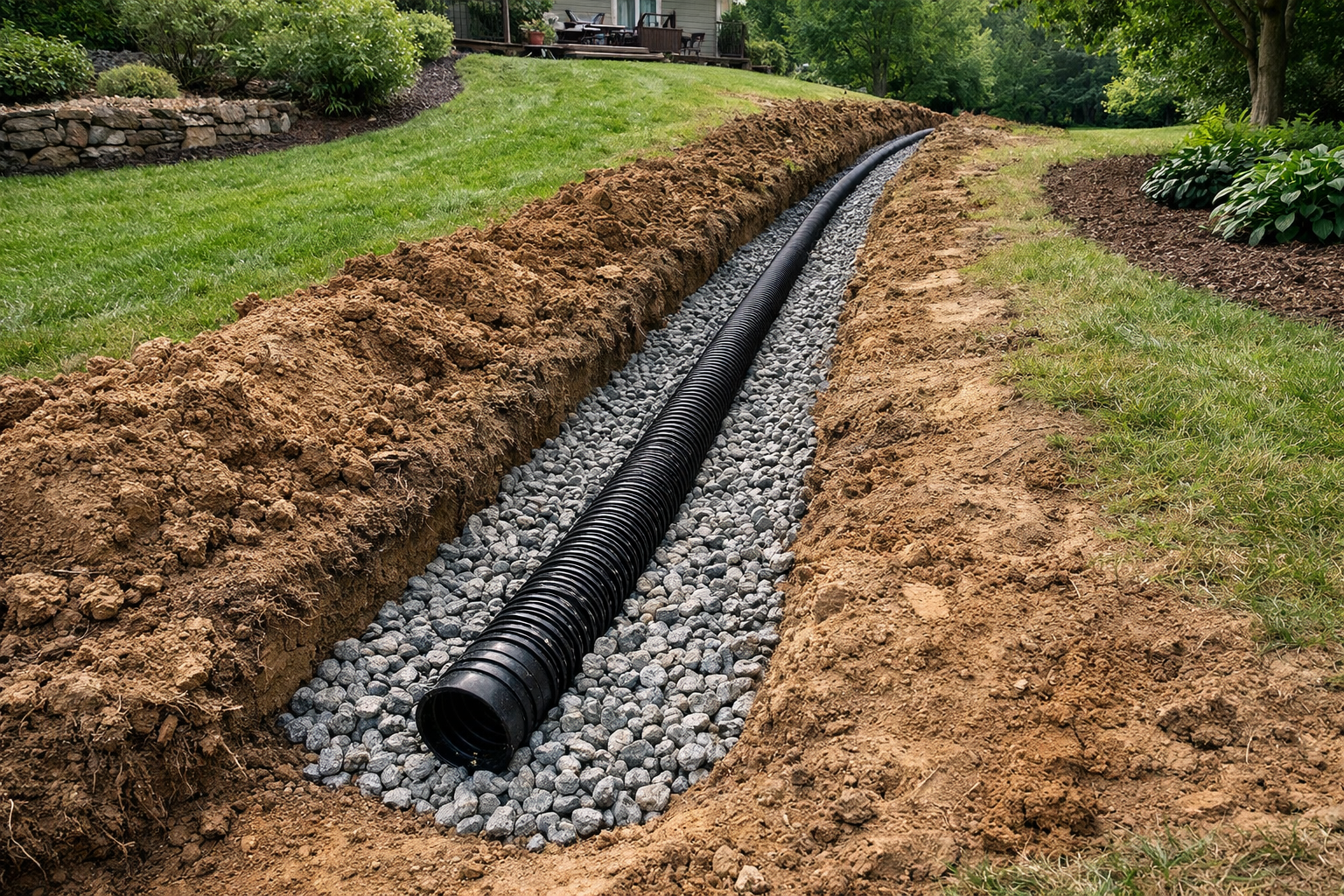
- Grading: Shaping the soil for proper drainage so water doesn't pool under the turf.
- Base installation: Adding a compacted base layer, usually crushed rock or decomposed granite, to create a stable, well-draining foundation.
- Weed barrier: Laying a fabric barrier to prevent weeds from growing up through the turf.
- Turf placement: Rolling out the turf, trimming it to fit the space, and joining seams if multiple pieces are needed.
- Securing the edges: Using nails, stakes, or adhesive to anchor the turf along borders.
- Infill application: Spreading sand or rubber infill and brushing it into the fibers for stability and a natural look.
Each of these steps matters. Skipping proper grading or base compaction is one of the most common causes of turf that looks uneven, drains poorly, or shifts over time.
Choosing the Right Type of Turf
Turf products vary in blade shape, pile height, density, and infill type. Some are designed for high-traffic areas, others for pet-friendly drainage, and others purely for appearance. A landscaper experienced with artificial turf can help match the product to how you'll actually use the space—whether that's kids playing daily, dogs running around, or a low-traffic decorative area.
Typical Cost Ranges
Artificial turf costs vary widely based on the size of the area, the quality of turf chosen, site conditions, and regional labor rates. As a general guide, homeowners across the U.S. commonly see:
- Materials only: roughly $2 to $7 per square foot, depending on turf quality and infill type.
- Installation labor: often adds another $3 to $8 per square foot, depending on site prep needs.
- Total installed cost: frequently falls between $8 and $20 per square foot for a complete project.
Yards that require significant grading, drainage work, old sod removal, or complex shapes will trend toward the higher end. Simple, flat, easy-access yards tend to cost less. These figures are general estimates—actual pricing depends heavily on your region, yard conditions, and the contractor you choose, so it's worth getting a few quotes before committing.
How Long Does It Take?
Project timelines depend on yard size and complexity, but here's a rough idea:
- Small yards or patios (under 500 sq ft): often completed in 1 to 2 days.
- Medium-sized residential lawns: typically take 2 to 4 days.
- Larger properties or multi-area installations: may take a week or more, especially if drainage or grading work is extensive.
Weather, soil conditions, and whether old landscaping needs to be removed first can all affect the schedule. A reputable landscaper should walk you through an estimated timeline before work begins.
Maintenance After Installation
One of the appeals of artificial turf is low maintenance, but "low" doesn't mean "none." Typical upkeep includes:
- Rinsing occasionally to remove dust, pollen, or pet waste residue.
- Brushing the fibers periodically to keep them upright, especially in high-traffic areas.
- Replenishing infill every few years as it settles or washes away.
- Checking seams and edges annually to ensure nothing has lifted or separated.
With reasonable care, quality turf installations commonly last well over a decade, though this varies by product and usage.
How to Hire the Right Landscaper
Not every landscaping company specializes in turf installation, so it's worth vetting contractors specifically for this type of work. Consider the following:
- Ask for turf-specific experience: Request examples of past turf projects, not just general landscaping work.
- Get multiple quotes: Pricing and approach can vary significantly between contractors.
- Ask about base preparation: A contractor who explains grading, drainage, and base depth in detail is generally more trustworthy than one who glosses over these steps.
- Check warranties: Ask what's covered on both the turf product and the installation labor.
- Review contracts carefully: Make sure square footage, materials, infill type, and timeline are clearly spelled out before work begins.
If you're ready to start, you can find artificial turf landscapers near you and compare their experience, reviews, and pricing before making a decision.
If you're still weighing turf against other landscaping options, it also helps to compare local landscapers across different specialties to see what fits your yard and budget best.
FAQ
Is artificial turf safe for pets?
Yes, most modern turf products are designed to handle pet traffic well. Look for turf with good drainage properties and consider an antimicrobial infill if odor control is a concern. Regular rinsing helps keep the surface clean.
Will artificial turf get too hot to walk on?
Synthetic turf can get warmer than natural grass in direct, intense sun, particularly in hot climates. Lighter-colored turf, shaded areas, and occasional rinsing can help reduce surface temperature during peak heat.
Can artificial turf be installed over existing grass?
Generally no. Existing grass and roots need to be removed and the ground properly graded and compacted first. Installing turf directly over grass usually leads to drainage problems and an uneven surface over time.
How long does artificial turf typically last?
Many quality installations last 10 to 20 years, depending on the product, foot traffic, and maintenance. Lower-quality turf or heavy daily use may shorten that lifespan, while proper care can extend it.
If you're considering artificial turf for your property, the best next step is to request free quotes from a few local landscapers on CGMIMM. Comparing experience, pricing, and project details side by side makes it easier to choose a contractor who's the right fit for your yard.