Retaining Walls: A Complete Guide for Homeowners
What Is a Retaining Wall?
A retaining wall is a structure built to hold back soil and create a level change in your yard. Instead of a steep, erosion-prone slope, a retaining wall lets you turn uneven ground into usable, flat space. Homeowners build them to stop erosion, create terraced garden beds, add a flat area for a patio or lawn, or simply improve the look of a sloped property.
Retaining walls range from small decorative borders a foot or two tall to large engineered structures that hold back several feet of soil along a driveway or hillside. The bigger and taller the wall, the more engineering, drainage, and material strength it requires.
What's Involved in Building One
Every retaining wall project follows a similar general process, though the details depend on the size, material, and site conditions.
- Site assessment: A landscaper evaluates the slope, soil type, drainage patterns, and how much weight or "load" the wall needs to hold back.
- Design and material selection: Options include poured concrete, concrete block (segmental retaining wall units), natural stone, brick, or timber. Each has different cost, durability, and style trade-offs.
- Permits and engineering: Many municipalities require a permit for walls above a certain height, often around 3 to 4 feet. Taller walls may need a stamped engineering design to ensure they can safely hold back the soil load.
- Excavation and base preparation: A proper gravel base and compacted foundation are critical. A wall built on a weak base is likely to shift, lean, or fail over time.
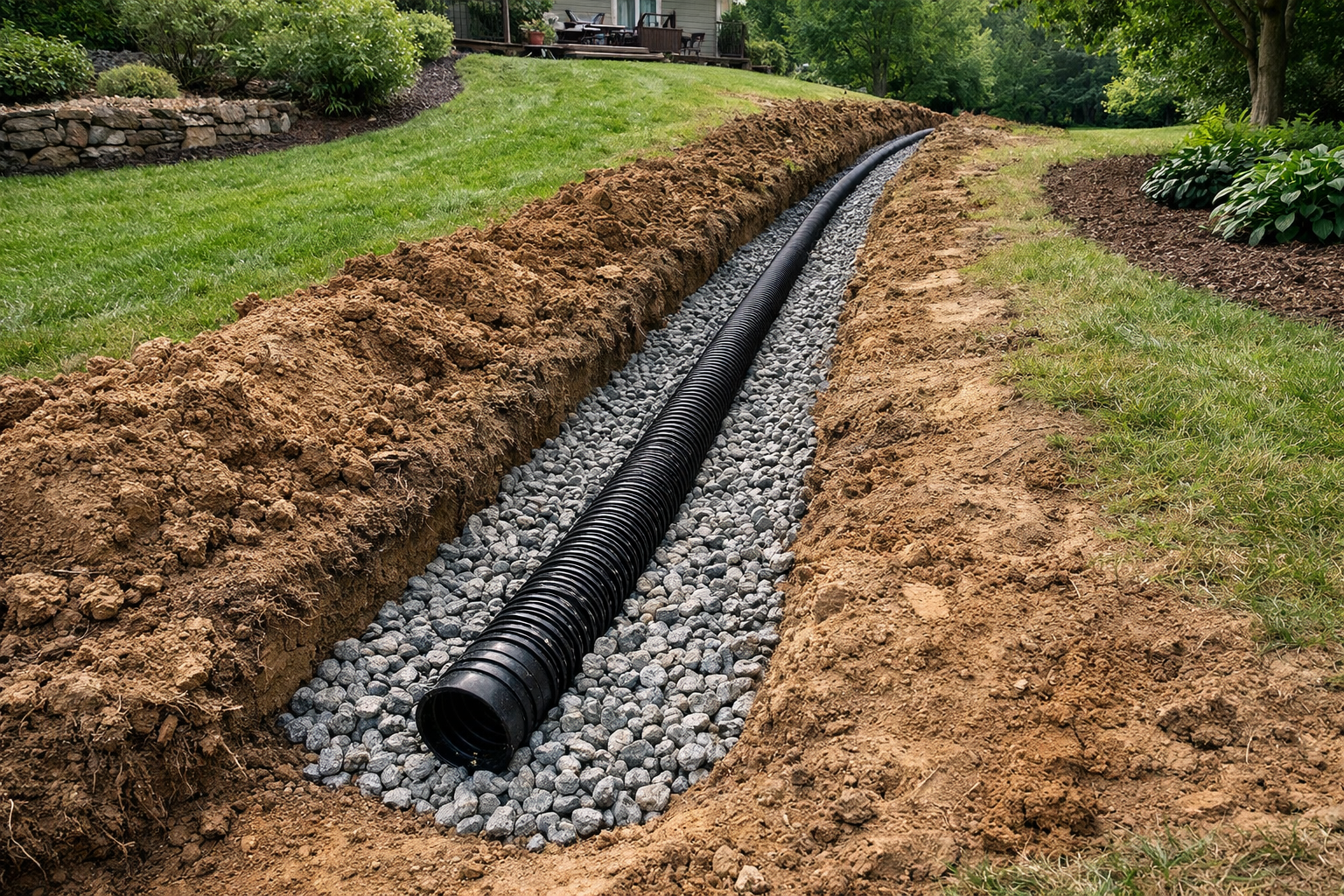
- Drainage installation: Water buildup behind a wall is one of the most common causes of failure. Most quality builds include gravel backfill and a perforated drain pipe to move water away from the structure.
- Wall construction: Blocks, stones, or timbers are set in courses, often with reinforcement like geogrid fabric for taller walls to add stability.
- Backfilling and finishing: The area behind the wall is filled, compacted, and graded, then finished with soil, mulch, sod, or pavers depending on the project.
Common Materials
- Concrete block (segmental units): Popular for its affordability, durability, and wide range of styles.
- Natural stone: Offers a high-end, natural look but typically costs more and requires skilled installation.
- Poured concrete: Strong and long-lasting, often used for taller or load-bearing walls.
- Timber: More affordable upfront but generally has a shorter lifespan than stone or concrete.
- Brick: A classic look that works well with certain home styles, though installation can be labor-intensive.
Typical Cost Ranges
Retaining wall costs vary widely based on wall height, length, material, site accessibility, and local labor rates. As a general guide, many homeowners see costs fall somewhere in these ranges:
- Timber walls: roughly $15–$30 per square face foot
- Concrete block walls: roughly $20–$45 per square face foot
- Natural stone walls: roughly $30–$60+ per square face foot
- Poured concrete walls: roughly $25–$55 per square face foot
Small decorative walls might total a few thousand dollars, while larger structural walls with engineering, drainage systems, and permits can run well into five figures. These figures are general US estimates — actual pricing depends heavily on your region, soil conditions, wall height, and the contractor you choose. Getting a few local quotes is the best way to understand what your specific project will cost.
How Long Does It Take?
Timelines depend on wall size and complexity:
- Small walls (under 3 feet, short length): Often completed in 1–3 days.
- Medium walls (3–5 feet, moderate length): Typically take about 1–2 weeks, including excavation, base work, and drainage.
- Large or engineered walls: Can take several weeks, especially when permits, soil testing, or geogrid reinforcement are involved.
Weather, site access, and how much excavation is required can also extend the timeline. A steep, hard-to-reach backyard will generally take longer than a flat, open front yard.
How to Hire the Right Landscaper
Retaining walls are a structural project, not just a cosmetic one, so choosing an experienced contractor matters. Keep these tips in mind:
- Ask about experience with walls specifically: General landscaping skills don't always translate to proper wall engineering and drainage.
- Check licensing and insurance: Confirm the contractor carries liability insurance and meets any local licensing requirements for structural work.
- Request references or photos of past wall projects: Look for walls that are still standing straight after a few years — this is a good sign of proper drainage and base work.
- Get a detailed written estimate: It should outline materials, wall height and length, drainage plan, permit responsibility, and timeline.
- Ask who handles permits: Reputable contractors typically manage the permitting process or clearly explain what's needed.
- Compare multiple quotes: Pricing and approach can vary significantly between contractors, so it pays to get more than one estimate before committing.
If you're ready to start, you can find retaining walls landscapers near you and review their profiles, services, and past work before reaching out.
It's also worth taking time to compare local landscapers more broadly, especially if your project includes other elements like grading, patios, or planting beds alongside the wall itself.
FAQ
Do I need a permit to build a retaining wall?
It depends on your location and wall height. Many areas require a permit once a wall reaches around 3 to 4 feet tall, since taller walls carry more structural risk. Always check with your local building department or ask your contractor to confirm requirements before starting.
How long do retaining walls typically last?
With proper base preparation and drainage, concrete block and stone walls can last several decades. Timber walls generally have a shorter lifespan, often 15–25 years, due to natural wood decay over time.
Why do some retaining walls fail or lean over time?
The most common cause is poor drainage. When water builds up behind a wall instead of draining away, it adds pressure that can push the wall out of place. An inadequate base or lack of reinforcement on taller walls can also lead to shifting or failure.
Can I build a retaining wall myself?
Small decorative walls under about 2 feet are sometimes manageable as a DIY project. However, anything taller or holding back significant soil should generally be left to a professional, since proper drainage, base compaction, and reinforcement are critical to avoid costly failures down the road.
If you're planning a retaining wall project, the best next step is to get a few free quotes from local landscapers on CGMIMM to compare pricing, materials, and timelines for your specific yard.