How Much Does Artificial Turf Cost?
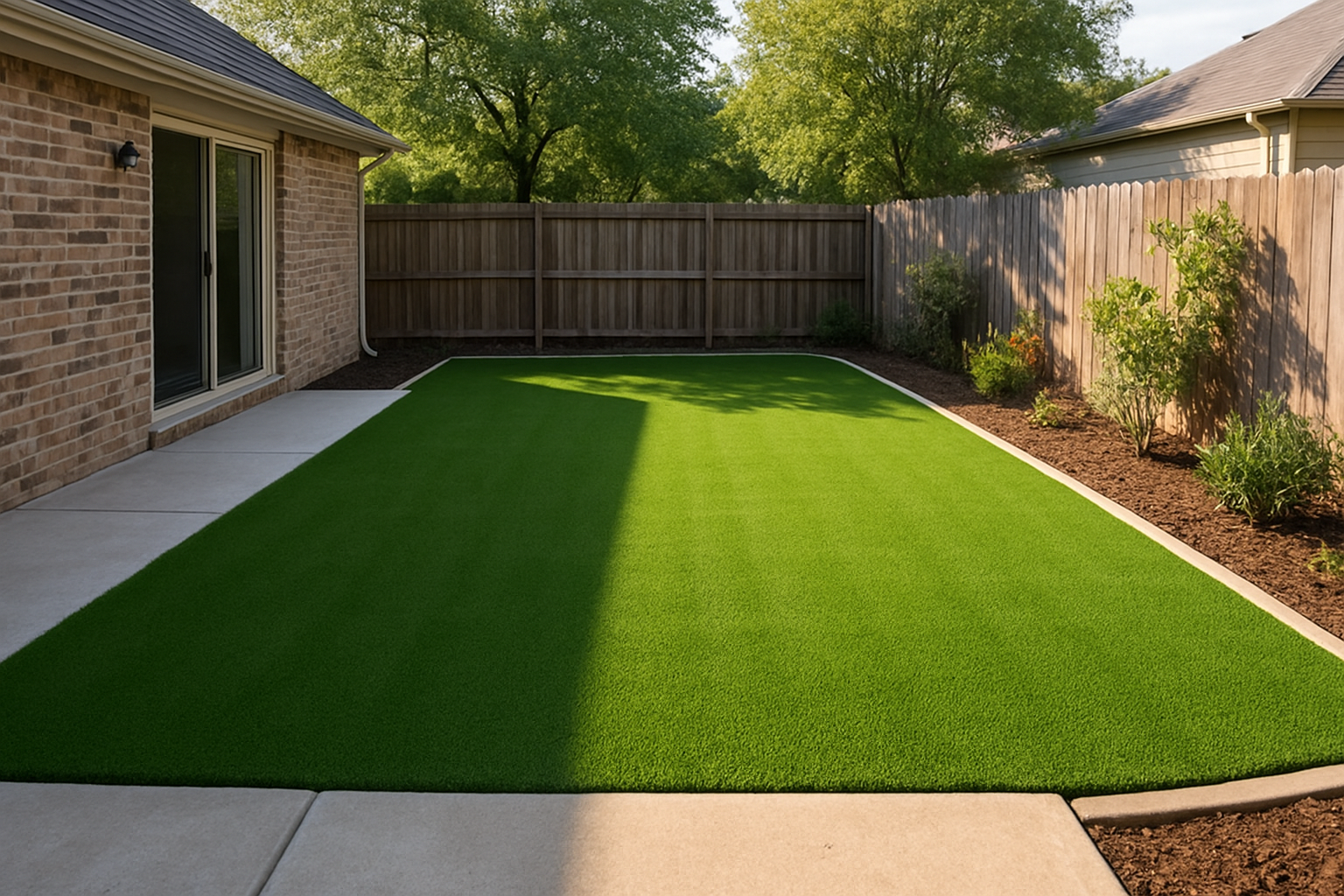
Artificial turf has become a popular option for homeowners who want a green, low-maintenance lawn without the watering, mowing, and fertilizing that natural grass requires. But turf installation is a bigger upfront investment than seeding or sodding, and prices can vary widely depending on the project. This guide breaks down what you can expect to pay, what affects the cost, and how to get a fair, accurate quote.
What Drives the Cost of Artificial Turf
Artificial turf pricing depends on far more than just the cost of the turf material itself. Installation involves site preparation, drainage work, base materials, and labor — all of which can shift the total price significantly.
Turf Material Quality
Turf products range from basic, thinner synthetic grass to premium products designed to mimic the look and feel of real grass, with denser fibers, more realistic coloring, and better durability. Higher-end turf costs more per square foot but typically lasts longer and holds up better to foot traffic, pets, and sun exposure.
Yard Size and Shape
Larger areas generally cost less per square foot than small ones because labor and equipment setup costs get spread across more turf. Irregularly shaped yards, slopes, or areas with lots of curves, edges, or obstacles (like trees, planters, or walkways) require more cutting and fitting, which adds labor time and cost.
Ground Preparation
This is often the biggest variable in a turf project. Installation usually involves removing existing grass or landscaping, grading the soil, and installing a compacted base layer (often crushed rock) for proper drainage. Yards with poor drainage, rocky soil, or old concrete/hardscape to remove will cost more to prepare than a flat, easy-to-access yard.
Drainage and Base Materials
Quality turf installations include a built-in drainage system so water doesn't pool on the surface. This typically involves a base of crushed stone or decomposed granite, plus a layer of sand or infill. Thicker base layers and better infill materials (like rubber or sand infill for athletic use) raise the price but improve performance and longevity.
Site Accessibility
If equipment and materials can't easily reach the work area — because of narrow side yards, stairs, fences, or limited truck access — installers may need to haul materials by hand, which increases labor costs.
Additional Features
Some projects include extras such as putting greens, pet-turf systems with odor control layers, turf borders, or decorative edging. These add-ons increase the total project cost beyond a standard lawn installation.
Typical Cost Ranges
Costs vary by region, yard conditions, and the contractor you choose, but here are general national ranges homeowners commonly see:
- Low end: around $5–$8 per square foot, typically for smaller, simple, easy-access yards with basic turf material.
- Average: around $8–$16 per square foot installed, which covers most standard residential lawn projects with mid-grade turf and standard base preparation.
- High end: around $16–$25+ per square foot for premium turf products, extensive site prep, drainage upgrades, pet-specific systems, or putting greens.
For context, a 500-square-foot front yard might run anywhere from roughly $2,500 to $12,500 depending on the factors above, while a larger 2,000-square-foot backyard could range from about $10,000 to $50,000. These are general estimates — actual pricing depends heavily on your local market and the specifics of your yard, so it's worth getting a few quotes from artificial turf landscapers near you to see what's realistic for your property.
Ways to Save on Artificial Turf
Turf is a long-term investment, but there are ways to manage the cost without cutting corners on quality where it matters most.
- Get multiple quotes. Pricing can vary significantly between contractors for similar work, so comparing estimates helps you understand the going rate in your area.
- Choose mid-grade turf for most areas. Premium turf makes sense for high-visibility or high-traffic zones, but mid-range products often look great and cost less for the bulk of the yard.
- Simplify the design. Fewer curves, borders, and cutouts around landscaping features mean less labor and material waste.
- Handle removal yourself if possible. If you're comfortable doing some of the demolition or old sod removal yourself, you may be able to reduce labor costs — just confirm with your contractor first, since proper grading still matters.
- Time it right. Some landscapers offer better pricing during slower seasons when demand for outdoor projects is lower.
- Avoid unnecessary add-ons. Decorative borders, multiple turf types, or elaborate drainage systems are sometimes optional upgrades rather than requirements — ask which features are essential versus nice-to-have.
What a Fair Quote Should Include
A detailed, trustworthy quote should go beyond a single price per square foot. Look for these elements spelled out clearly:
- Site preparation details: removal of existing grass/landscaping, grading, and soil compaction.
- Base material specifications: type and depth of the base layer (such as crushed rock) used for drainage.
- Turf product information: brand or type, pile height, material, and expected lifespan or warranty.
- Infill type: whether sand, rubber, or another infill is used, and why it fits your yard's intended use.
- Seaming and edging: how seams between turf pieces will be joined and how edges will be secured.
- Drainage plan: how water will be directed away from the area to prevent pooling.
- Timeline and cleanup: estimated project duration and whether debris removal is included.
- Warranty terms: coverage for both the turf material and the installation workmanship.
A quote that only lists a flat price without these details makes it hard to compare bids accurately or know what you're really paying for. When you're ready to request estimates, you can compare local landscapers side by side to see how their pricing and included services stack up.
FAQ
Is artificial turf cheaper than real grass in the long run?
Artificial turf has a higher upfront cost than seeding or sodding a lawn, but it eliminates ongoing expenses like mowing, watering, fertilizing, and reseeding. Over many years, especially in areas with high water costs or drought restrictions, turf can offset its initial price through lower maintenance costs — though the break-even point varies by region and usage.
How long does artificial turf typically last?
Quality artificial turf generally lasts somewhere in the range of 15 to 25 years with proper installation and reasonable care, though lifespan depends on the product quality, amount of foot traffic, and climate exposure. Lower-grade turf may wear out sooner, especially in high-traffic or high-sun areas.
Does artificial turf require any maintenance?
Yes, though far less than natural grass. Typical upkeep includes occasional rinsing to remove dust and debris, brushing the fibers to keep them upright, and periodic infill replenishment. Pet owners may also need routine cleaning to manage odor control.
Can artificial turf be installed over any type of yard?
Most yards can be converted to turf, but conditions like poor drainage, significant slopes, or heavily compacted or rocky soil may require extra site preparation. A landscaper can evaluate your yard's grading and drainage needs before providing an accurate quote.
If you're considering artificial turf for your property, the best next step is to get a few free quotes from local landscapers on CGMIMM so you can compare pricing, materials, and installation details for your specific yard.