How Much Does Weed Control Cost?
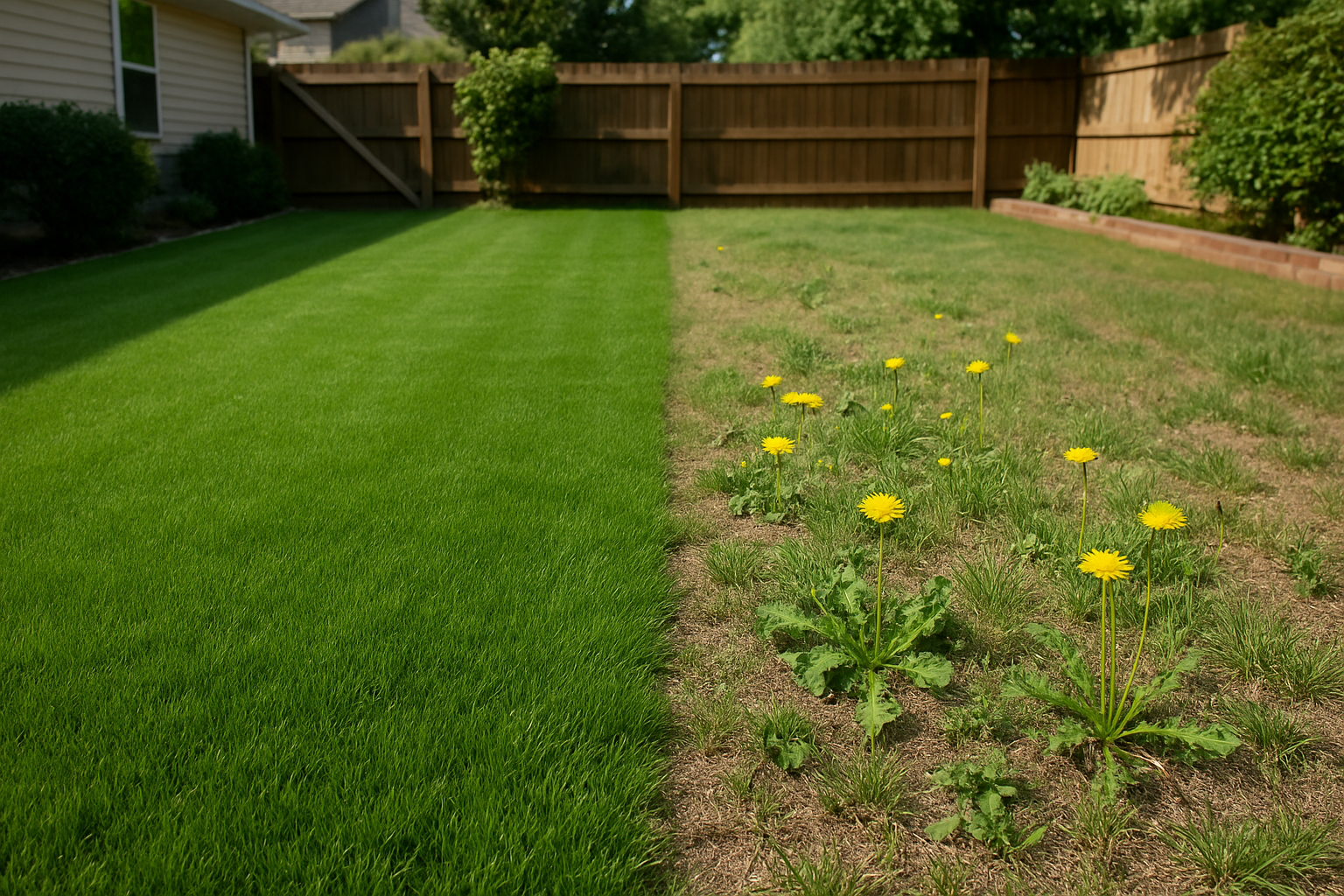
Weeds have a way of showing up uninvited and taking over a lawn faster than most homeowners expect. Whether you're dealing with dandelions, crabgrass, or stubborn broadleaf weeds, professional weed control can restore your lawn's health without the trial-and-error of DIY products. But how much should you expect to pay? This guide breaks down typical costs, what influences pricing, and how to get a fair deal.
What Drives the Cost of Weed Control
Weed control pricing isn't one-size-fits-all. Several factors shape what you'll pay, and understanding them can help you avoid surprises when quotes come in.
Lawn Size
Most companies price by square footage. Larger lawns cost more overall, though the price per square foot often drops as size increases since fixed costs like travel and setup are spread out.
Weed Type and Severity
A light scattering of dandelions is much easier to manage than a lawn overtaken by crabgrass, clover, or invasive grassy weeds. Severe infestations may require multiple treatments or specialized herbicides, which raises the cost.
Treatment Method
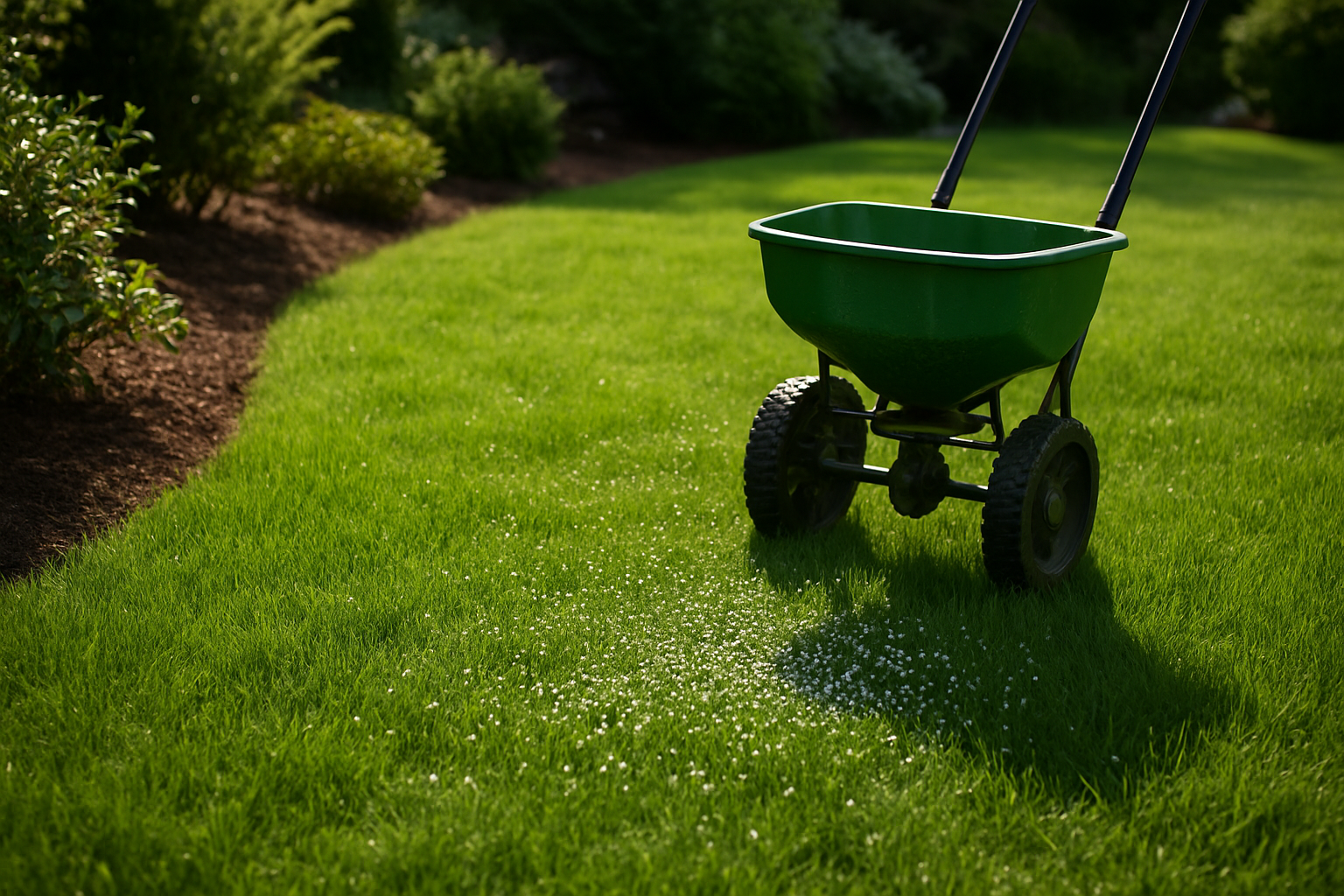
Pre-emergent treatments (applied before weeds sprout) tend to be less labor-intensive than post-emergent spot treatments on an already weedy lawn. Granular applications, liquid sprays, and targeted spot-treatments can all carry different price points.
Number of Visits
Weed control is rarely a one-and-done service. Many companies offer seasonal programs with 4–6 visits per year to stay ahead of growth cycles. Paying for a package often costs less per visit than booking single treatments repeatedly.
Lawn Condition and Soil Health
Compacted soil, poor drainage, or thin turf can make weeds harder to control long-term. Some companies may recommend aeration or overseeding alongside weed treatment, which adds to the total cost but improves results.
Your Location
Labor rates, climate, and regional weed pressure all affect pricing. Lawns in warmer climates with longer growing seasons may need more frequent treatments than those in cooler regions.
Chemical vs. Organic Treatments
Organic or pet-safe weed control products often cost more than standard synthetic herbicides due to higher material costs and sometimes more frequent applications needed for the same results.
Typical Cost Ranges
Costs vary by region and yard conditions, but here are general ranges homeowners commonly report:
- Low end: $30–$50 per treatment for a small lawn (under 5,000 square feet) with minor weed issues
- Average range: $50–$150 per treatment for a standard-sized residential lawn, or $150–$400 for a full-season program with multiple visits
- High end: $400–$800+ per year for larger properties, severe infestations, organic treatments, or lawns requiring soil amendments alongside weed control
Spot treatments for a specific problem area may run $75–$200 as a standalone service, while full-property annual programs tend to offer better value if your lawn needs ongoing attention.
Ways to Save on Weed Control
You don't have to overpay to get effective weed control. Consider these cost-saving strategies:
- Bundle services: Combining weed control with regular lawn fertilization or mowing plans often reduces the per-visit cost.
- Book a seasonal package: Annual contracts are usually cheaper per treatment than calling for one-off visits throughout the year.
- Address the problem early: Treating weeds before they spread widely is far less expensive than tackling a full-blown infestation later.
- Improve lawn health: A thick, well-maintained lawn naturally resists weeds, which can reduce how often you need treatment over time.
- Get multiple quotes: Pricing can vary significantly between providers for similar services, so comparing options helps you find fair value.
- Ask about guarantees: Some companies offer free re-treatments if weeds return within a certain window, which can save money long-term.
If you're ready to start comparing, you can find weed control landscapers near you and request quotes to see how pricing stacks up in your area.
What a Fair Quote Should Include
Not all quotes are created equal. Before hiring, make sure the estimate clearly outlines:
- Treatment type: Whether it's pre-emergent, post-emergent, organic, or a combination approach
- Number of visits: How many applications are included and over what time period
- Lawn measurements: Confirmation of your actual square footage, since this directly affects pricing
- Products used: Basic information about the herbicides or products applied, especially if you have pets or children
- Follow-up policy: Whether re-treatments are included if weeds persist after the initial service
- Additional recommendations: Any suggested services like aeration, overseeding, or soil testing, along with separate pricing for those add-ons
A transparent quote shouldn't leave you guessing. If a provider is vague about what's included, ask follow-up questions before signing anything.
Getting the Right Fit for Your Lawn
Weed control needs vary a lot depending on your grass type, climate, and how neglected or well-maintained your lawn currently is. A company that specializes in your region's common weed species and grass types is often a better fit than a generic national provider. Taking time to compare local landscapers can help you find someone familiar with the specific challenges in your area.
FAQ
How often does a lawn need weed control treatment?
Most lawns benefit from 4–6 treatments per year, spaced throughout the growing season. This helps catch weeds at different life stages, from pre-emergent prevention in early spring to post-emergent treatment later in the season.
Is DIY weed control cheaper than hiring a professional?
DIY products can seem cheaper upfront, but they often require multiple purchases, proper timing, and correct application to be effective. Professionals have access to commercial-grade products and application equipment, which can produce better results and save money long-term if your weed problem is significant.
Will weed control harm my grass, pets, or garden plants?
Most professional weed control products are designed to target weeds while being safe for established turf grass when applied correctly. Ask your provider about pet and child safety guidelines, as some products require a short waiting period before the area is safe to use again.
Can weed control get rid of weeds permanently?
No single treatment eliminates weeds forever. Weed seeds can remain dormant in soil for years, and new seeds can blow in from neighboring yards. Ongoing maintenance, healthy lawn care practices, and seasonal treatments are the best way to keep weeds under control long-term.
Ready to tackle those weeds? Request free quotes from local landscapers on CGMIMM to compare pricing and find the right weed control plan for your lawn.