How Much Does Tree Services Cost?
Trees add shade, value, and curb appeal to a property, but they also need regular care — and sometimes removal — to stay safe and healthy. Whether you're dealing with a storm-damaged limb, an overgrown canopy, or a dead tree that needs to come down, understanding typical costs can help you plan your budget and spot a fair quote when you see one.
This guide breaks down what drives tree service pricing, general cost ranges across the US, ways to save money, and what a trustworthy quote should include.
What Drives the Price of Tree Services
Tree work is priced based on labor, equipment, risk, and disposal — not just the size of the tree. Here are the main factors that affect your final bill:
- Tree size and height: Larger, taller trees require more time, bigger equipment, and more safety precautions.
- Tree condition: Dead, diseased, or storm-damaged trees can be more hazardous to remove and may cost more due to the added risk.
- Species and wood density: Hardwoods with dense, heavy branches often take longer to cut and haul than softer species.
- Accessibility: Trees close to a house, power lines, fences, or other structures require extra care, specialized rigging, or crane use, which raises the price.
- Number of trunks or trees: Multi-trunk trees or whole-yard cleanups cost more than a single, simple removal.
- Type of service: Trimming, pruning, full removal, stump grinding, and emergency storm cleanup are priced differently.
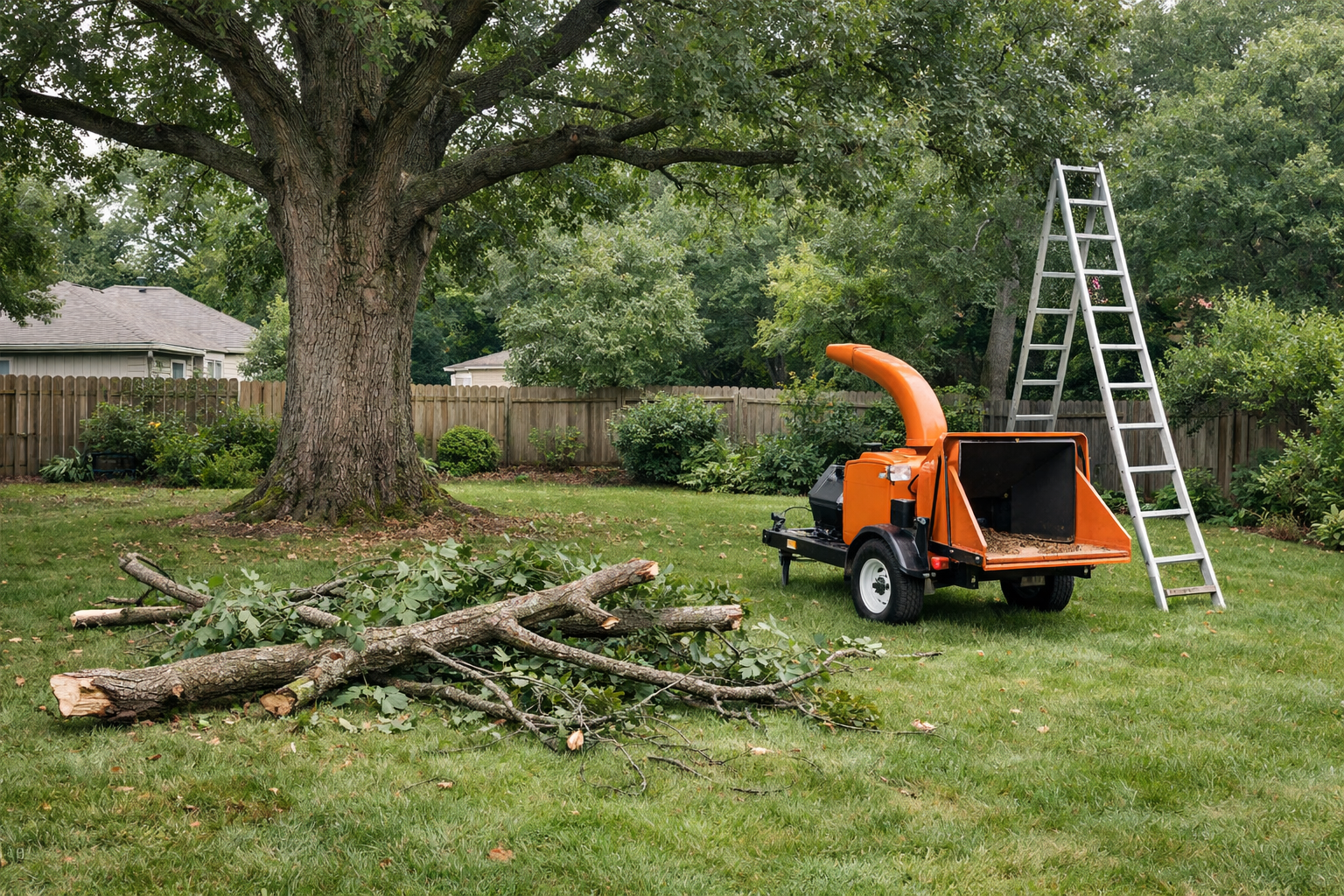
- Debris removal and hauling: Some quotes include chipping and hauling away branches and logs; others charge extra or leave the wood on-site.
- Permits: Some cities require permits for removing certain trees, especially protected or heritage species, which can add to the cost.
- Local labor rates and demand: Prices vary by region and tend to spike after major storms when demand for emergency tree work increases.
Typical Cost Ranges in the US
Costs vary by region, tree size, and job complexity, but here are general ranges homeowners commonly see:
Tree Trimming or Pruning
Low: $75–$150 for small trees (under 30 feet).
Average: $200–$500 for medium trees (30–60 feet).
High: $600–$1,200+ for large trees (over 60 feet) or trees requiring crane access.
Tree Removal
Low: $150–$450 for small trees.
Average: $500–$1,200 for medium to large trees.
High: $1,500–$3,000+ for very large, hazardous, or hard-to-access trees.
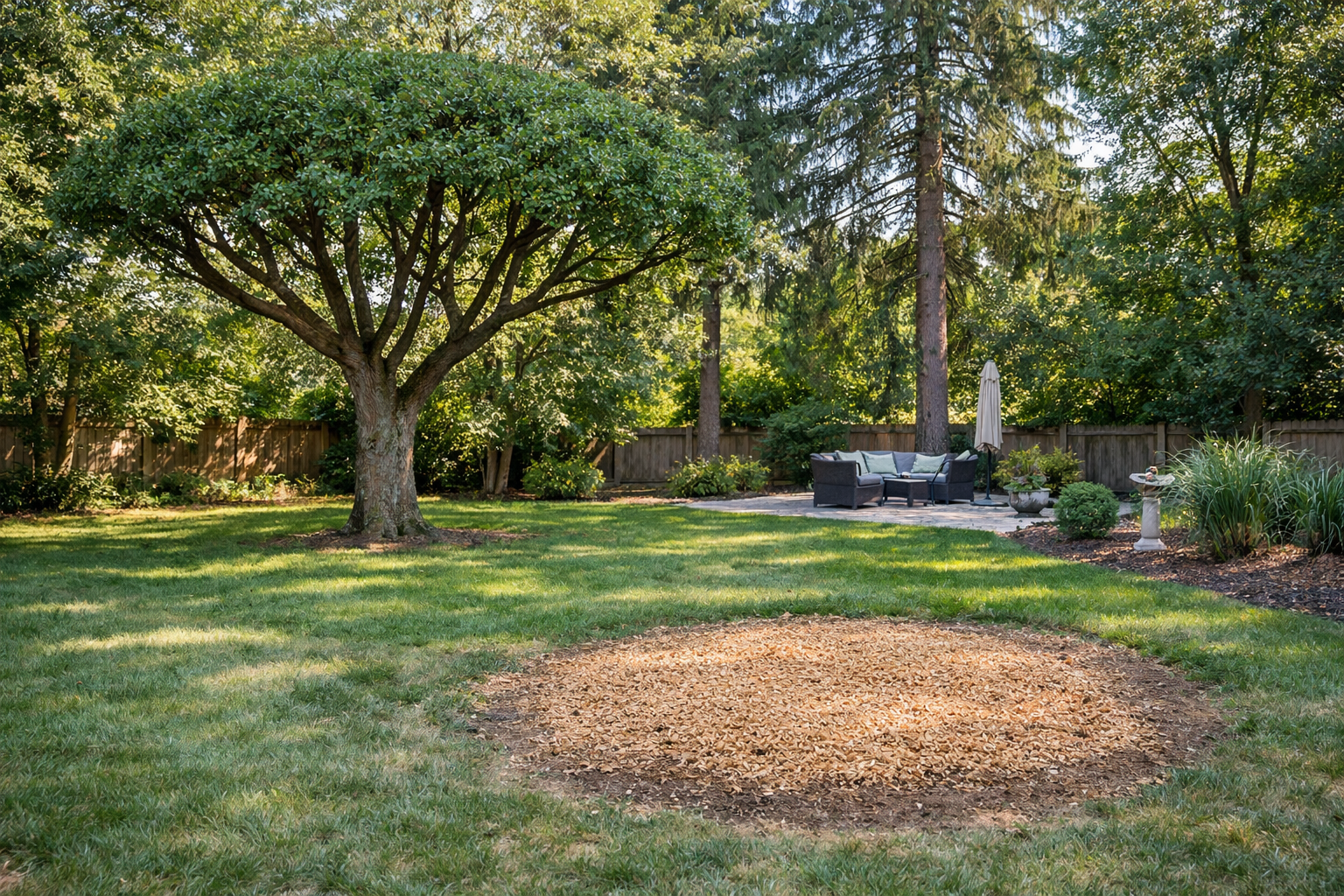
Stump Grinding or Removal
Low: $75–$150 per stump for small stumps.
Average: $200–$400 for mid-sized stumps.
High: $500–$1,000+ for large or multiple stumps.
Emergency Tree Removal (Storm Damage)
Emergency work tends to cost more due to urgency and risk, often running 25%–50% higher than standard removal pricing, especially if the tree has fallen on a structure or is blocking access.
These figures are general estimates. Actual pricing depends heavily on your region, the specific crew, and conditions on the day of service. Getting quotes from a few tree services landscapers near you is the best way to understand pricing in your specific area.
Ways to Save on Tree Services
Tree care is an investment in safety and property value, but there are smart ways to manage the cost:
- Bundle services: Combining trimming, removal, and stump grinding into one visit can reduce the overall price compared to scheduling separate trips.
- Schedule during off-peak season: Many tree companies are busiest in spring and after storms. Booking in late fall or winter (where climate allows) may lead to better pricing and availability.
- Keep the wood: If you're willing to keep the logs or mulch on-site for firewood or composting, some companies will lower their price since they save on hauling and disposal.
- Get multiple quotes: Prices can vary significantly between providers for the same job, so it pays to compare a few estimates before deciding.
- Address problems early: Small pruning jobs are cheaper than emergency removals. Regular maintenance can prevent a minor issue from becoming a costly, hazardous one.
- Ask about permit handling: Some companies include permit costs and paperwork in their quote; others don't. Clarify this upfront to avoid surprise fees.
If you're planning other yard upgrades alongside tree work, it's worth taking time to compare local landscapers who may offer combined services like stump grinding, grading, or new plantings.
What a Fair Quote Should Include
A detailed, trustworthy quote protects you from unexpected costs later. Look for the following when reviewing estimates:
- Scope of work: A clear description of exactly what will be done — trimming, full removal, stump grinding, or cleanup.
- Debris handling: Whether branches, logs, and wood chips will be hauled away or left on your property.
- Equipment needed: Notes on whether a crane, bucket truck, or special rigging is required, since this affects both price and scheduling.
- Timeline: An estimated start date and how long the job will take to complete.
- Insurance and licensing: Confirmation that the company carries liability insurance and workers' compensation, which protects you if something goes wrong.
- Permit responsibility: Clarification on who is responsible for pulling any required permits.
- Payment terms: Deposit requirements, accepted payment methods, and when final payment is due.
A written estimate that covers these points helps you avoid misunderstandings and makes it easier to compare multiple bids fairly.
FAQ
Is tree removal cheaper in the fall or winter?
In many regions, late fall and winter are slower seasons for tree companies, which can mean more availability and sometimes better pricing. However, this varies by climate and local demand, so it's worth asking providers directly about their seasonal rates.
Does homeowners insurance cover tree removal?
It depends on the situation. Insurance may cover removal if a tree falls due to a covered peril, like a storm, and damages your home or another insured structure. Routine maintenance or removing a tree simply because it's old or unwanted is typically not covered. Check your policy or ask your insurer directly.
How much does it cost to remove a tree near power lines?
Trees near power lines usually cost more to remove because of the added safety precautions and specialized equipment required. In some cases, the utility company may need to be involved or may even handle removal themselves if the tree poses a direct risk to the lines.
Should I get the stump removed at the same time as the tree?
It's often more cost-effective to handle stump grinding in the same visit as tree removal, since the crew and equipment are already on-site. Waiting and scheduling it separately usually means paying for a second trip and setup.
Tree service costs can vary quite a bit depending on your yard, the job, and your location, so the best way to get an accurate number is to request a few free quotes from local landscapers on CGMIMM.