Mulch & Rock: A Complete Guide for Homeowners
What Is Mulch & Rock Landscaping?
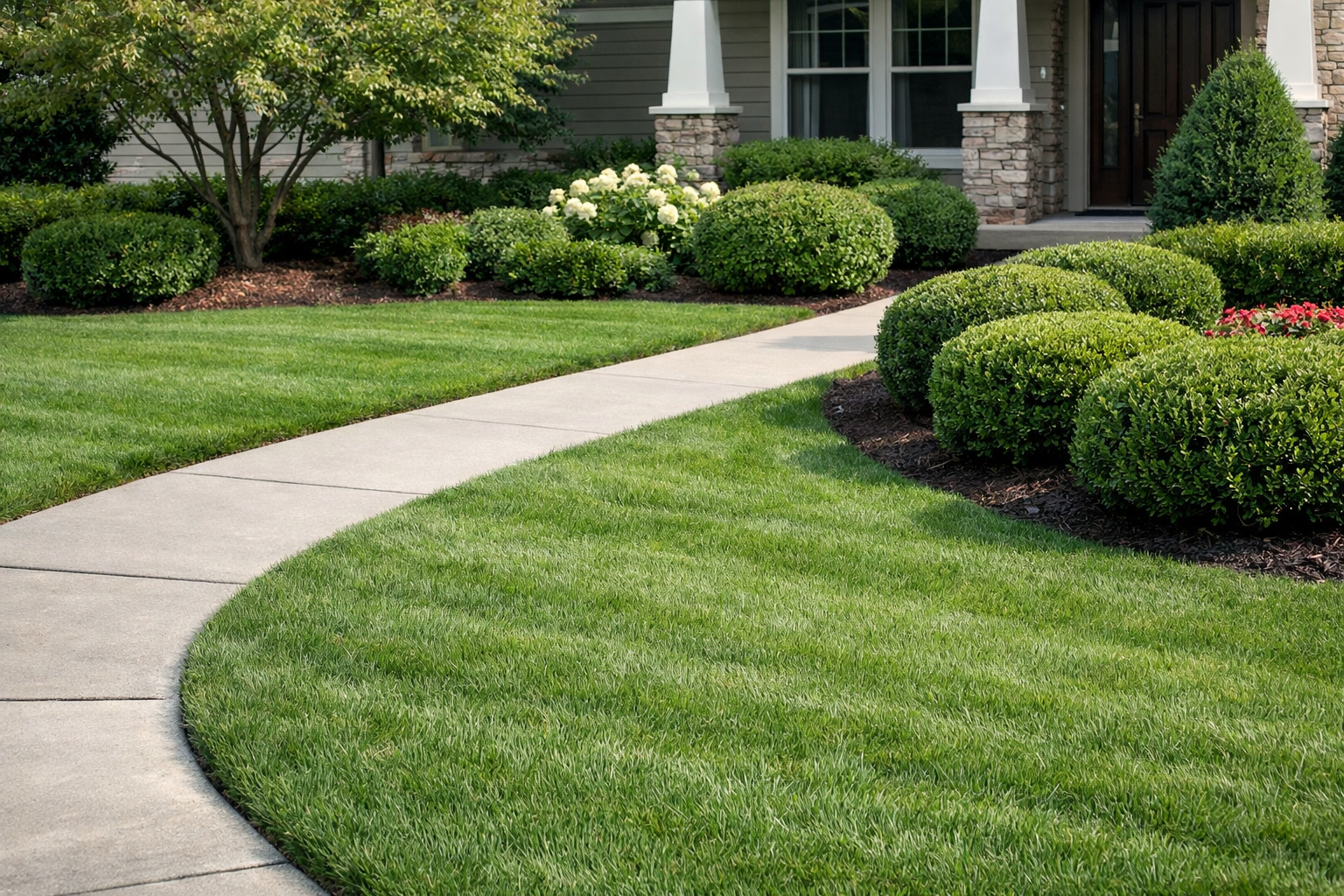
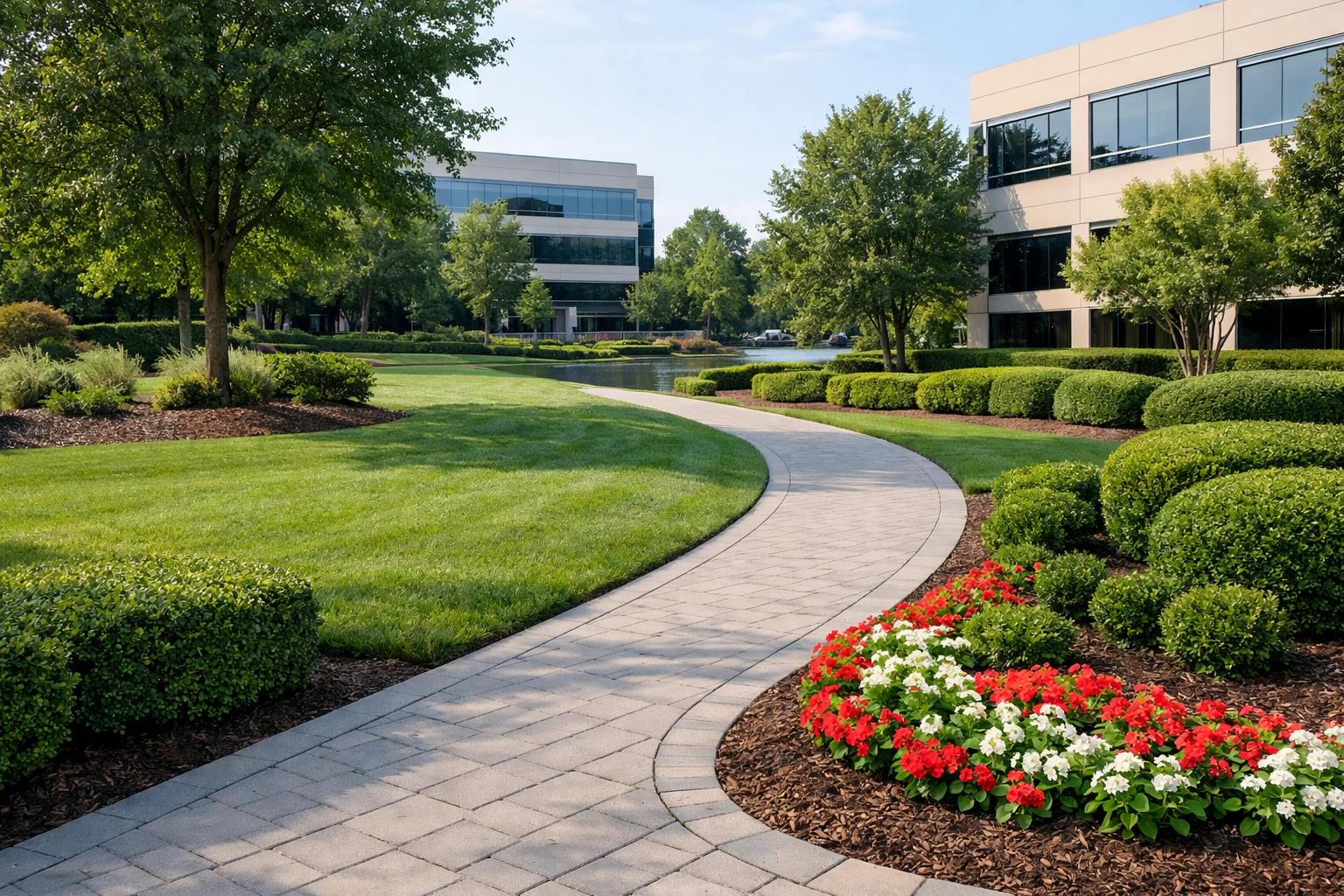
Mulch and rock landscaping refers to covering garden beds, borders, and other planted areas with a protective layer of material instead of (or alongside) grass or groundcover. Mulch is typically an organic material like shredded bark, wood chips, pine straw, or compost. Rock landscaping uses inorganic materials such as river rock, lava rock, decomposed granite, or crushed gravel.
Both serve similar purposes: they suppress weeds, help retain soil moisture, regulate soil temperature, and give garden beds a clean, finished look. Many homeowners combine the two, using rock in high-traffic or low-water areas and mulch around trees, shrubs, and flower beds where organic matter benefits the soil.
What's Involved in a Mulch & Rock Project
While it may look like a simple weekend task, a well-done mulch or rock installation involves several steps that affect how long it lasts and how good it looks.
- Bed preparation: Removing old mulch, weeds, and debris, and edging the bed to create a clean border.
- Weed barrier installation: Landscape fabric or weed block is often laid down, especially under rock, to reduce future weed growth.
- Material selection: Choosing the type, color, and size of mulch or rock based on the look you want and the plants in the bed.
- Delivery and spreading: Bulk material is delivered and spread evenly to the correct depth (usually 2–4 inches for mulch, deeper for decorative rock).
- Edging and finishing touches: Adding metal, plastic, or stone edging to keep materials contained and beds looking neat.
Some projects also include drainage considerations, since rock beds in particular can affect how water moves across a yard. A knowledgeable landscaper will account for slope and drainage before installing anything.
Mulch vs. Rock: Which Is Right for Your Yard?
Mulch breaks down over time, which means it needs to be refreshed every one to two years, but it also improves soil health as it decomposes. It's generally better for flower beds, vegetable gardens, and areas with frequent planting changes.
Rock is more permanent and low-maintenance, making it a popular choice for xeriscaping, drought-prone regions, or areas that don't need soil enrichment, such as around foundations, walkways, or dry creek beds. However, rock doesn't break down, so if you want to change the landscaping design later, removal can be more labor-intensive than with mulch.
Typical Cost Ranges
Costs vary widely depending on your region, the size of the area, material type, and whether you're hiring a professional or doing it yourself. As a general guide for US homeowners:
- Mulch installation: Roughly $40–$100 per cubic yard installed, or about $3–$6 per square foot depending on mulch type and labor rates.
- Rock installation: Generally $50–$150 per cubic yard installed, with decorative or specialty rock costing more than basic gravel.
- Bed preparation and edging: Often an additional $200–$600 depending on how much old material needs removal and the length of edging installed.
- Landscape fabric: Usually a small added cost, often $0.20–$0.50 per square foot if included.
These figures are general estimates and can shift significantly based on your location, material availability, and the complexity of your yard. Getting a few local quotes is the best way to understand realistic pricing for your specific project.
How Long Does It Take?
For an average residential yard, mulch or rock installation typically takes anywhere from a half-day to two or three days. Smaller flower bed refreshes might be done in just a few hours, while larger properties with multiple beds, extensive edging, or rock delivery logistics can take several days to complete.
Factors that can extend the timeline include:
- Removing large amounts of old mulch or overgrown weeds
- Correcting drainage issues before installation
- Coordinating bulk material delivery
- Working around existing plants, irrigation lines, or hardscaping
How to Hire the Right Landscaper
Choosing a qualified landscaper makes a noticeable difference in how your project turns out and how long it lasts. Here's what to look for:
- Experience with your project type: Ask whether they regularly install both mulch and rock, and request examples of past work.
- Clear, written estimates: A good quote should break down materials, labor, edging, and any site preparation separately.
- Knowledge of drainage and soil: Especially important for rock installations, where poor planning can lead to water pooling or runoff issues.
- Proper licensing and insurance: Confirm the landscaper carries liability insurance in case of property damage.
- References or reviews: Look for consistent feedback about reliability, cleanup, and quality of finished work.
It's generally worth collecting two or three quotes before deciding, since pricing and approach can vary quite a bit between companies. You can start by browsing mulch & rock landscapers near you to see options and reviews in your area, or compare local landscapers if you're also considering other yard projects at the same time.
FAQ
How often should mulch be replaced?
Organic mulch typically needs to be refreshed every one to two years as it breaks down and loses its color and effectiveness. Adding a thin top-up layer annually can help maintain appearance between full replacements.
Does rock landscaping need any maintenance?
Rock requires less maintenance than mulch, but it's not maintenance-free. Leaves, debris, and weeds can still accumulate over time, and occasional raking or rinsing helps keep rock beds looking clean.
Can I mix mulch and rock in the same yard?
Yes, many homeowners use rock in dry, low-maintenance zones and mulch around plants that benefit from organic material. A landscaper can help design a layout that balances both effectively.
Is it cheaper to install mulch or rock myself?
DIY can lower labor costs, but professional installation often includes proper bed prep, drainage consideration, and even spreading, which can extend the life of the material and improve the final look. For larger areas, professional installation is often worth the investment.
If you're ready to move forward, the easiest next step is to request free quotes from local landscapers on CGMIMM to compare pricing, availability, and experience for your specific yard.